








When you explore names of old men in Japan, you step into a world full of history and meaning. These names feel different from modern ones. They sound deeper. They carry tradition. In many cases, they connect directly to culture, family roots, and old values. You’ll also notice links with Japanese boy names and Japanese male names that shaped generations long ago.
At the same time, names of old men in Japan often reflect Japanese names for boys and older naming styles that were common in past eras. Many of these male Japanese names came from nature, strength, and honor. If you look closely, male Japanese first names from earlier times feel more symbolic than today’s names. They tell stories, not just identity.
So when people ask about names of old men in Japan, they are really exploring Japanese boy names, Japanese male names, and traditions behind Japanese names for boys that shaped generations.
Names of Old Men in Japan and Their Historical Origins
Names of old men in Japan have strong roots in samurai history and ancient Japanese culture. Many of these names of old men in Japan were used by warriors, nobles, and historical leaders. They often reflect honor, strength, loyalty, and wisdom. These traditional Japanese male names, Japanese boy names, male Japanese names, Japanese names for boys, and Japanese first names male are still important in historical records and cultural stories.
- Harunobu
• Meaning: Spring faith
• Pronunciation: Hah-roo-noh-boo
• Kanji: 晴信 - Masamune
• Meaning: True blade
• Pronunciation: Mah-sah-moo-neh
• Kanji: 政宗 - Nobunaga
• Meaning: Faith and eternity
• Pronunciation: Noh-boo-nah-gah
• Kanji: 信長 - Hideyoshi
• Meaning: Excellent fortune
• Pronunciation: Hee-deh-yoh-shee
• Kanji: 秀吉 - Ieyasu
• Meaning: Peaceful house
• Pronunciation: Ee-eh-yah-soo
• Kanji: 家康 - Mitsuhide
• Meaning: Bright excellence
• Pronunciation: Mee-tsoo-hee-deh
• Kanji: 光秀 - Takamori
• Meaning: Noble forest
• Pronunciation: Tah-kah-moh-ree
• Kanji: 隆盛 - Yoshinobu
• Meaning: Faithful righteousness
• Pronunciation: Yoh-shee-noh-boo
• Kanji: 義信 - Katsumoto
• Meaning: Victorious origin
• Pronunciation: Kaht-soo-moh-toh
• Kanji: 勝元 - Yorimitsu
• Meaning: Loyal light
• Pronunciation: Yoh-ree-mee-tsoo
• Kanji: 頼光 - Tadamori
• Meaning: Loyal protector
• Pronunciation: Tah-dah-moh-ree
• Kanji: 忠盛 - Kiyomori
• Meaning: Pure forest
• Pronunciation: Kee-yoh-moh-ree
• Kanji: 清盛 - Tomonaga
• Meaning: Long friendship
• Pronunciation: Toh-moh-nah-gah
• Kanji: 友長 - Munemori
• Meaning: Spirit forest
• Pronunciation: Moo-neh-moh-ree
• Kanji: 宗盛 - Norimasa
• Meaning: Lawful truth
• Pronunciation: Noh-ree-mah-sah
• Kanji: 典政 - Sadamitsu
• Meaning: True light
• Pronunciation: Sah-dah-mee-tsoo
• Kanji: 貞光 - Koreyoshi
• Meaning: Noble righteousness
• Pronunciation: Koh-reh-yoh-shee
• Kanji: 惟義 - Tsunemori
• Meaning: Eternal protector
• Pronunciation: Tsoo-neh-moh-ree
• Kanji: 常盛 - Yoshimitsu
• Meaning: Righteous light
• Pronunciation: Yoh-shee-mee-tsoo
• Kanji: 義満 - Michinaga
• Meaning: Path of prosperity
• Pronunciation: Mee-chee-nah-gah
• Kanji: 道長 - Yorimasa
• Meaning: Loyal justice
• Pronunciation: Yoh-ree-mah-sah
• Kanji: 頼政 - Tadayoshi
• Meaning: Loyal goodness
• Pronunciation: Tah-dah-yoh-shee
• Kanji: 忠義 - Nagamasa
• Meaning: Long prosperity
• Pronunciation: Nah-gah-mah-sah
• Kanji: 長政 - Arinobu
• Meaning: Existing faith
• Pronunciation: Ah-ree-noh-boo
• Kanji: 在信 - Sadayoshi
• Meaning: True goodness
• Pronunciation: Sah-dah-yoh-shee
• Kanji: 貞義 - Morifusa
• Meaning: Forest protection
• Pronunciation: Moh-ree-foo-sah
• Kanji: 盛房 - Yoshifusa
• Meaning: Righteous protection
• Pronunciation: Yoh-shee-foo-sah
• Kanji: 義房 - Kagemasa
• Meaning: Bright warrior
• Pronunciation: Kah-geh-mah-sah
• Kanji: 景政 - Tokitada
• Meaning: Loyal time
• Pronunciation: Toh-kee-tah-dah
• Kanji: 時忠 - Masanori
• Meaning: Righteous rule
• Pronunciation: Mah-sah-noh-ree
• Kanji: 正則
Names of Old Men in Japan Used in Traditional Families
In traditional Japanese families, old male names were often passed down through generations. These names of old men in Japan represent family pride, ancestry, and cultural respect. Many of them appear in old documents, samurai records, and rural family lines. These names of old men in Japan also connect strongly with Japanese male names, Japanese boy names, male Japanese names, Japanese names for boys, and Japanese first names male used in earlier centuries.
- Tarō
• Meaning: First son
• Pronunciation: Tah-roh
• Kanji: 太郎 - Jirō
• Meaning: Second son
• Pronunciation: Jee-roh
• Kanji: 次郎 - Saburō
• Meaning: Third son
• Pronunciation: Sah-boo-roh
• Kanji: 三郎 - Gorō
• Meaning: Fifth son
• Pronunciation: Goh-roh
• Kanji: 五郎 - Shichirō
• Meaning: Seventh son
• Pronunciation: Shee-chee-roh
• Kanji: 七郎 - Heihachi
• Meaning: Peaceful eight
• Pronunciation: Heh-ee-hah-chee
• Kanji: 平八 - Heitarō
• Meaning: Peaceful son
• Pronunciation: Heh-ee-tah-roh
• Kanji: 平太郎 - Kinzo
• Meaning: Golden store
• Pronunciation: Keen-zoh
• Kanji: 金蔵 - Rokurō
• Meaning: Sixth son
• Pronunciation: Roh-koo-roh
• Kanji: 六郎 - Uemon
• Meaning: Right gate keeper
• Pronunciation: Oo-eh-mon
• Kanji: 右衛門 - Matashiro
• Meaning: Again fourth son
• Pronunciation: Mah-tah-shee-roh
• Kanji: 又四郎 - Kansuke
• Meaning: Helpful rule
• Pronunciation: Kahn-soo-keh
• Kanji: 寛助 - Jūzō
• Meaning: Tenth store
• Pronunciation: Joo-zoh
• Kanji: 十蔵 - Genpachi
• Meaning: Original eight
• Pronunciation: Gen-pah-chee
• Kanji: 源八 - Ichibē
• Meaning: First servant
• Pronunciation: Ee-chee-beh
• Kanji: 市兵衛 - Tamezō
• Meaning: Saving store
• Pronunciation: Tah-meh-zoh
• Kanji: 為蔵 - Seizō
• Meaning: Holy store
• Pronunciation: Seh-ee-zoh
• Kanji: 清蔵 - Kyūzō
• Meaning: Ninth store
• Pronunciation: Kyoo-zoh
• Kanji: 九蔵 - Sennosuke
• Meaning: Thousand help
• Pronunciation: Sehn-noh-soo-keh
• Kanji: 千之介 - Zenji
• Meaning: Good rule
• Pronunciation: Zehn-jee
• Kanji: 善治 - Heizō
• Meaning: Peace store
• Pronunciation: Heh-ee-zoh
• Kanji: 平蔵 - Rikizō
• Meaning: Strength store
• Pronunciation: Ree-kee-zoh
• Kanji: 力蔵 - Kichirō
• Meaning: Lucky son
• Pronunciation: Kee-chee-roh
• Kanji: 吉郎 - Tomosuke
• Meaning: Friend helper
• Pronunciation: Toh-moh-soo-keh
• Kanji: 友助 - Yoshibē
• Meaning: Good servant
• Pronunciation: Yoh-shee-beh
• Kanji: 義兵衛 - Hachirō
• Meaning: Eighth son
• Pronunciation: Hah-chee-roh
• Kanji: 八郎 - Matsunosuke
• Meaning: Pine helper
• Pronunciation: Maht-soo-noh-soo-keh
• Kanji: 松之介 - Shinzō
• Meaning: True store
• Pronunciation: Sheen-zoh
• Kanji: 新蔵 - Rokuzō
• Meaning: Sixth store
• Pronunciation: Roh-koo-zoh
• Kanji: 六蔵 - Manjirō
• Meaning: Ten thousand son
• Pronunciation: Maan-jee-roh
• Kanji: 万次郎
Cultural Meaning Behind Names of Old Men in Japan
In Japan, old men’s names carry deep cultural meaning. These names of old men in Japan often reflect honor, wisdom, and long life. Many are inspired by nature, virtue, and family values. They are still found in Japanese male names, Japanese boy names, male Japanese names, Japanese names for boys, and Japanese first names male lists.
- Masaru
• Meaning: Victory
• Pronunciation: Mah-sah-roo
• Kanji: 勝 - Takashi
• Meaning: Noble, prosperous
• Pronunciation: Tah-kah-shee
• Kanji: 隆 - Hiroshi
• Meaning: Generous
• Pronunciation: Hee-roh-shee
• Kanji: 寛 - Kenji
• Meaning: Strong wisdom
• Pronunciation: Ken-jee
• Kanji: 健二 - Satoshi
• Meaning: Wise
• Pronunciation: Sah-toh-shee
• Kanji: 聡 - Kiyoshi
• Meaning: Pure
• Pronunciation: Kee-yoh-shee
• Kanji: 清 - Noboru
• Meaning: Rise
• Pronunciation: Noh-boh-roo
• Kanji: 昇 - Isamu
• Meaning: Courage
• Pronunciation: Ee-sah-moo
• Kanji: 勇 - Tadashi
• Meaning: Loyal, correct
• Pronunciation: Tah-dah-shee
• Kanji: 正 - Akira
• Meaning: Bright
• Pronunciation: Ah-kee-rah
• Kanji: 明 - Fumio
• Meaning: Scholarly man
• Pronunciation: Foo-mee-oh
• Kanji: 文夫 - Haruo
• Meaning: Spring man
• Pronunciation: Hah-roo-oh
• Kanji: 春男 - Yoshio
• Meaning: Good man
• Pronunciation: Yoh-shee-oh
• Kanji: 義雄 - Kazuo
• Meaning: Harmonious man
• Pronunciation: Kah-zoo-oh
• Kanji: 和夫 - Shigeru
• Meaning: Prosperous
• Pronunciation: Shee-geh-roo
• Kanji: 茂 - Minoru
• Meaning: Harvest
• Pronunciation: Mee-noh-roo
• Kanji: 実 - Susumu
• Meaning: Advance
• Pronunciation: Soo-soo-moo
• Kanji: 進 - Tsutomu
• Meaning: Work hard
• Pronunciation: Tsoo-toh-moo
• Kanji: 勉 - Eiji
• Meaning: Eternal peace
• Pronunciation: Eh-ee-jee
• Kanji: 永次 - Junichi
• Meaning: Pure first son
• Pronunciation: Joo-nee-chee
• Kanji: 純一 - Hideki
• Meaning: Excellent tree
• Pronunciation: Hee-deh-kee
• Kanji: 秀樹 - Masaki
• Meaning: True hope
• Pronunciation: Mah-sah-kee
• Kanji: 正樹 - Ryuzo
• Meaning: Dragon man
• Pronunciation: Ryoo-zoh
• Kanji: 竜三 - Katsuji
• Meaning: Victorious second son
• Pronunciation: Kaht-soo-jee
• Kanji: 勝二 - Tomio
• Meaning: Wealthy man
• Pronunciation: Toh-mee-oh
• Kanji: 富雄 - Naoki
• Meaning: Honest tree
• Pronunciation: Nah-oh-kee
• Kanji: 直樹 - Teruo
• Meaning: Shining man
• Pronunciation: Teh-roo-oh
• Kanji: 輝夫 - Seiji
• Meaning: Lawful rule
• Pronunciation: Seh-ee-jee
• Kanji: 誠司 - Yoshikazu
• Meaning: Good harmony
• Pronunciation: Yoh-shee-kah-zoo
• Kanji: 義一 - Hiroaki
• Meaning: Broad brightness
• Pronunciation: Hee-roh-ah-kee
• Kanji: 広明
Names of Old Men in Japan from the Edo Period
The Edo period produced strong samurai names. These names of old men in Japan reflect loyalty, discipline, and honor. Many appear in Japanese male names, Japanese names for boys, and historical male Japanese names.
- Tokugawa Ieyasu
• Meaning: Peaceful house
• Pronunciation: To-ku-gah-wah Ee-eh-yah-soo
• Kanji: 家康 - Hidetada
• Meaning: Loyal excellence
• Pronunciation: Hee-deh-tah-dah
• Kanji: 秀忠 - Yoshimune
• Meaning: Righteous origin
• Pronunciation: Yoh-shee-moo-neh
• Kanji: 吉宗 - Iemitsu
• Meaning: House light
• Pronunciation: Ee-eh-meet-soo
• Kanji: 家光 - Mitsunari
• Meaning: Light achievement
• Pronunciation: Meet-soo-nah-ree
• Kanji: 光成 - Masanobu
• Meaning: True faith
• Pronunciation: Mah-sah-noh-boo
• Kanji: 正信 - Tadanaga
• Meaning: Loyal long life
• Pronunciation: Tah-dah-nah-gah
• Kanji: 忠長 - Munetada
• Meaning: Loyal virtue
• Pronunciation: Moo-neh-tah-dah
• Kanji: 宗忠 - Masayoshi
• Meaning: True righteousness
• Pronunciation: Mah-sah-yoh-shee
• Kanji: 正義 - Yoshihiro
• Meaning: Good prosperity
• Pronunciation: Yoh-shee-hee-roh
• Kanji: 義弘 - Masatsune
• Meaning: True constant
• Pronunciation: Mah-sah-tsoo-neh
• Kanji: 正恒 - Sadayuki
• Meaning: Loyal fortune
• Pronunciation: Sah-dah-yoo-kee
• Kanji: 貞行 - Kiyonaga
• Meaning: Pure long life
• Pronunciation: Kee-yoh-nah-gah
• Kanji: 清長 - Norihiro
• Meaning: Lawful broadness
• Pronunciation: Noh-ree-hee-roh
• Kanji: 典弘 - Masaharu
• Meaning: True spring
• Pronunciation: Mah-sah-hah-roo
• Kanji: 正春 - Takanobu
• Meaning: Noble faith
• Pronunciation: Tah-kah-noh-boo
• Kanji: 高信 - Harutaka
• Meaning: Spring nobility
• Pronunciation: Hah-roo-tah-kah
• Kanji: 春隆 - Yoshihisa
• Meaning: Good eternity
• Pronunciation: Yoh-shee-hee-sah
• Kanji: 義久 - Munekazu
• Meaning: Loyal harmony
• Pronunciation: Moo-neh-kah-zoo
• Kanji: 宗一 - Tadakiyo
• Meaning: Loyal purity
• Pronunciation: Tah-dah-kee-yoh
• Kanji: 忠清 - Masanori
• Meaning: True rule
• Pronunciation: Mah-sah-noh-ree
• Kanji: 正則 - Yoshitada
• Meaning: Good loyalty
• Pronunciation: Yoh-shee-tah-dah
• Kanji: 義忠 - Nagamitsu
• Meaning: Long light
• Pronunciation: Nah-gah-meet-soo
• Kanji: 長光 - Tomonobu
• Meaning: Faithful friend
• Pronunciation: Toh-moh-noh-boo
• Kanji: 友信 - Masahide
• Meaning: True excellence
• Pronunciation: Mah-sah-hee-deh
• Kanji: 正秀 - Yoshinobu
• Meaning: Good faith
• Pronunciation: Yoh-shee-noh-boo
• Kanji: 義信 - Tadamasa
• Meaning: Loyal truth
• Pronunciation: Tah-dah-mah-sah
• Kanji: 忠政 - Nobumasa
• Meaning: Faithful rule
• Pronunciation: Noh-boo-mah-sah
• Kanji: 信政 - Kiyonori
• Meaning: Pure law
• Pronunciation: Kee-yoh-noh-ree
• Kanji: 清則 - Harunobu
• Meaning: Spring faith
• Pronunciation: Hah-roo-noh-boo
• Kanji: 晴信
Rare Names of Old Men in Japan You May Not Know
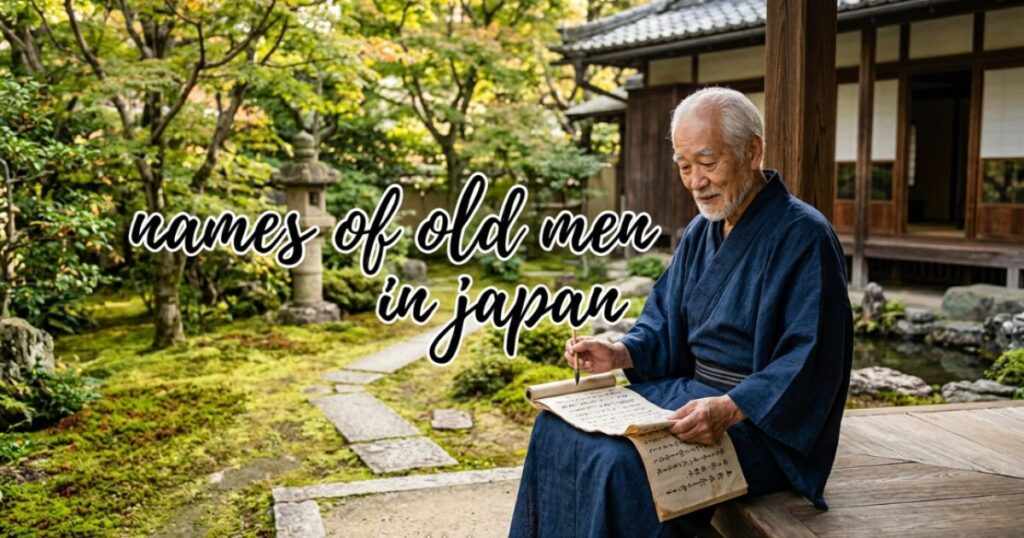
Rare names of old men in Japan are not common today. These names of old men in Japan come from old records and samurai families. They are also part of Japanese male names, Japanese boy names, and male Japanese names history.
- Zenkichi
• Meaning: Good fortune
• Pronunciation: Zehn-kee-chee
• Kanji: 善吉 - Jinsaku
• Meaning: Kind work
• Pronunciation: Jeen-sah-koo
• Kanji: 仁作 - Rokubei
• Meaning: Sixth servant
• Pronunciation: Roh-koo-beh
• Kanji: 六兵衛 - Heisuke
• Meaning: Peace helper
• Pronunciation: Heh-ee-soo-keh
• Kanji: 平助 - Bunsuke
• Meaning: Literary helper
• Pronunciation: Boon-soo-keh
• Kanji: 文助 - Genshichi
• Meaning: First origin
• Pronunciation: Gehn-shee-chee
• Kanji: 源七 - Ichizō
• Meaning: First treasure
• Pronunciation: Ee-chee-zoh
• Kanji: 一蔵 - Shichibei
• Meaning: Seventh servant
• Pronunciation: Shee-chee-beh
• Kanji: 七兵衛 - Heiroku
• Meaning: Peaceful fortune
• Pronunciation: Heh-ee-roh-koo
• Kanji: 平六 - Kinbei
• Meaning: Gold servant
• Pronunciation: Keen-beh
• Kanji: 金兵衛 - Sennosuke
• Meaning: Thousand help
• Pronunciation: Sehn-noh-soo-keh
• Kanji: 千之介 - Heizaemon
• Meaning: Peaceful helper
• Pronunciation: Heh-ee-zah-eh-mohn
• Kanji: 平左衛門 - Matazaemon
• Meaning: Again helper
• Pronunciation: Mah-tah-zah-eh-mohn
• Kanji: 又左衛門 - Genzō
• Meaning: Origin treasure
• Pronunciation: Gehn-zoh
• Kanji: 源蔵 - Tomozō
• Meaning: Friend treasure
• Pronunciation: Toh-moh-zoh
• Kanji: 友蔵 - Saisuke
• Meaning: Talent helper
• Pronunciation: Sigh-soo-keh
• Kanji: 才助 - Kanshichi
• Meaning: Emotional luck
• Pronunciation: Kahn-shee-chee
• Kanji: 勘七 - Heitarō
• Meaning: Peaceful son
• Pronunciation: Heh-ee-tah-roh
• Kanji: 平太郎 - Rokunosuke
• Meaning: Sixth helper
• Pronunciation: Roh-koo-noh-soo-keh
• Kanji: 六之助 - Uheiji
• Meaning: Upper peace
• Pronunciation: Oo-heh-ee-jee
• Kanji: 宇平次 - Matahachi
• Meaning: Again happiness
• Pronunciation: Mah-tah-hah-chee
• Kanji: 又八 - Zenpachi
• Meaning: Good eight
• Pronunciation: Zehn-pah-chee
• Kanji: 善八 - Goroemon
• Meaning: Fifth son helper
• Pronunciation: Goh-roh-eh-mohn
• Kanji: 五郎右衛門 - Kichizaemon
• Meaning: Lucky helper
• Pronunciation: Kee-chee-zah-eh-mohn
• Kanji: 吉左衛門 - Jurobei
• Meaning: Tenth son servant
• Pronunciation: Joo-roh-beh
• Kanji: 十郎兵衛 - Sannosuke
• Meaning: Third helper
• Pronunciation: Sahn-noh-soo-keh
• Kanji: 三之助 - Heishiro
• Meaning: Peace fourth son
• Pronunciation: Heh-ee-shee-roh
• Kanji: 平四郎 - Bunzaemon
• Meaning: Literary helper
• Pronunciation: Boon-zah-eh-mohn
• Kanji: 文左衛門 - Tamehachi
• Meaning: Saved eight
• Pronunciation: Tah-meh-hah-chee
• Kanji: 為八 - Yozaemon
• Meaning: Evening helper
• Pronunciation: Yoh-zah-eh-mohn
• Kanji: 与左衛門
Names of Old Men in Japan Inspired by Nature
Names of old men in Japan inspired by nature are deeply connected with seasons, land, sky, and natural beauty. These names of old men in Japan reflect calmness and harmony with nature. Many of these names of old men in Japan are also part of traditional Japanese male names, Japanese boy names, male Japanese names, Japanese names for boys, and Japanese first names male.
- Harunobu
• Meaning: Spring faith
• Pronunciation: Hah-roo-noh-boo
• Kanji: 晴信 - Mizuki
• Meaning: Beautiful water
• Pronunciation: Mee-zoo-kee
• Kanji: 瑞樹 - Kaito
• Meaning: Ocean flight
• Pronunciation: Kai-toh
• Kanji: 海翔 - Rikuo
• Meaning: Land man
• Pronunciation: Ree-koo-oh
• Kanji: 陸雄 - Takayuki
• Meaning: Noble journey
• Pronunciation: Tah-kah-yoo-kee
• Kanji: 隆行 - Kazumi
• Meaning: Peaceful beauty
• Pronunciation: Kah-zoo-mee
• Kanji: 和美 - Sorao
• Meaning: Sky man
• Pronunciation: Soh-rah-oh
• Kanji: 空雄 - Akiyoshi
• Meaning: Bright goodness
• Pronunciation: Ah-kee-yoh-shee
• Kanji: 明義 - Fuyuto
• Meaning: Winter person
• Pronunciation: Foo-yoo-toh
• Kanji: 冬人 - Haruto
• Meaning: Sunlight flight
• Pronunciation: Hah-roo-toh
• Kanji: 陽翔 - Natsuo
• Meaning: Summer man
• Pronunciation: Naht-soo-oh
• Kanji: 夏雄 - Yukihiro
• Meaning: Snow brightness
• Pronunciation: Yoo-kee-hee-roh
• Kanji: 雪弘 - Kiyomori
• Meaning: Pure forest
• Pronunciation: Kee-yoh-moh-ree
• Kanji: 清盛 - Asahi
• Meaning: Morning sun
• Pronunciation: Ah-sah-hee
• Kanji: 旭 - Takao
• Meaning: Noble man
• Pronunciation: Tah-kah-oh
• Kanji: 高雄 - Kazuharu
• Meaning: Peaceful spring
• Pronunciation: Kah-zoo-hah-roo
• Kanji: 和春 - Ryoichi
• Meaning: Cool first son
• Pronunciation: Ryoh-ee-chee
• Kanji: 涼一 - Minoru
• Meaning: Harvest truth
• Pronunciation: Mee-noh-roo
• Kanji: 実 - Yasunori
• Meaning: Peaceful law
• Pronunciation: Yah-soo-noh-ree
• Kanji: 康則 - Shinrin
• Meaning: Forest spirit
• Pronunciation: Sheen-reen
• Kanji: 森林 - Haruyoshi
• Meaning: Spring goodness
• Pronunciation: Hah-roo-yoh-shee
• Kanji: 春義 - Sogen
• Meaning: Grass origin
• Pronunciation: Soh-gen
• Kanji: 草原 - Taiga
• Meaning: Big river
• Pronunciation: Tai-gah
• Kanji: 大河 - Midori
• Meaning: Green nature
• Pronunciation: Mee-doh-ree
• Kanji: 緑 - Kazeo
• Meaning: Wind man
• Pronunciation: Kah-zeh-oh
• Kanji: 風雄 - Rinsei
• Meaning: Forest life
• Pronunciation: Reen-seh-ee
• Kanji: 林生 - Suihiko
• Meaning: Water prince
• Pronunciation: Soo-ee-hee-koh
• Kanji: 水彦 - Yukio
• Meaning: Snow man
• Pronunciation: Yoo-kee-oh
• Kanji: 幸雄 - Akimitsu
• Meaning: Bright light
• Pronunciation: Ah-kee-mee-tsoo
• Kanji: 明光 - Nariaki
• Meaning: Growing brightness
• Pronunciation: Nah-ree-ah-kee
• Kanji: 成明
Names of Old Men in Japan With Strong Masculine Meaning
Names of old men in Japan with strong masculine meaning represent power, courage, and leadership. These names of old men in Japan were common among warriors and strong family heads. They are also closely related to Japanese male names, Japanese boy names, male Japanese names, Japanese names for boys, and Japanese first names male.
- Isamu
• Meaning: Courage
• Pronunciation: Ee-sah-moo
• Kanji: 勇 - Takeshi
• Meaning: Warrior
• Pronunciation: Tah-keh-shee
• Kanji: 武 - Masaru
• Meaning: Victory
• Pronunciation: Mah-sah-roo
• Kanji: 勝 - Kenzo
• Meaning: Strong and wise
• Pronunciation: Ken-zoh
• Kanji: 健三 - Ryota
• Meaning: Strong refreshment
• Pronunciation: Ryoh-tah
• Kanji: 涼太 - Takeru
• Meaning: Brave warrior
• Pronunciation: Tah-keh-roo
• Kanji: 猛 - Daigo
• Meaning: Great enlightenment
• Pronunciation: Dai-goh
• Kanji: 大悟 - Katsuhiro
• Meaning: Great victory
• Pronunciation: Kaht-soo-hee-roh
• Kanji: 勝宏 - Noboru
• Meaning: Rise upward
• Pronunciation: Noh-boh-roo
• Kanji: 昇 - Haruki
• Meaning: Shining strength
• Pronunciation: Hah-roo-kee
• Kanji: 晴輝 - Shinjiro
• Meaning: True second son
• Pronunciation: Sheen-jee-roh
• Kanji: 真次郎 - Ryunosuke
• Meaning: Dragon helper
• Pronunciation: Ryoo-noh-soo-keh
• Kanji: 龍之介 - Goroji
• Meaning: Strong fifth son
• Pronunciation: Goh-roh-jee
• Kanji: 五郎司 - Katsuo
• Meaning: Victorious man
• Pronunciation: Kaht-soo-oh
• Kanji: 勝男 - Masahiro
• Meaning: Great righteousness
• Pronunciation: Mah-sah-hee-roh
• Kanji: 正弘 - Ichiro
• Meaning: First son
• Pronunciation: Ee-chee-roh
• Kanji: 一郎 - Jiro
• Meaning: Second son
• Pronunciation: Jee-roh
• Kanji: 次郎 - Saburo
• Meaning: Third son
• Pronunciation: Sah-boo-roh
• Kanji: 三郎 - Gorou
• Meaning: Fifth son
• Pronunciation: Goh-roh
• Kanji: 五郎 - Heihachi
• Meaning: Peaceful strength
• Pronunciation: Heh-ee-hah-chee
• Kanji: 平八 - Kiyomasa
• Meaning: Pure justice
• Pronunciation: Kee-yoh-mah-sah
• Kanji: 清正 - Tadakatsu
• Meaning: Loyal victory
• Pronunciation: Tah-dah-kah-tsoo
• Kanji: 忠勝 - Masanobu
• Meaning: True faith
• Pronunciation: Mah-sah-noh-boo
• Kanji: 正信 - Yoshikatsu
• Meaning: Righteous victory
• Pronunciation: Yoh-shee-kaht-soo
• Kanji: 義勝 - Kagemori
• Meaning: Shadow forest
• Pronunciation: Kah-geh-moh-ree
• Kanji: 景盛 - Arinaga
• Meaning: Noble long life
• Pronunciation: Ah-ree-nah-gah
• Kanji: 有長 - Nobumasa
• Meaning: Faithful justice
• Pronunciation: Noh-boo-mah-sah
• Kanji: 信正 - Kunitomo
• Meaning: Nation friend
• Pronunciation: Koo-nee-toh-moh
• Kanji: 国友 - Ryusei
• Meaning: Shooting star
• Pronunciation: Ryoo-seh-ee
• Kanji: 流星 - Hayato
• Meaning: Falcon warrior
• Pronunciation: Hah-yah-toh
• Kanji: 隼人
Names of Old Men in Japan and Their Religious Influence
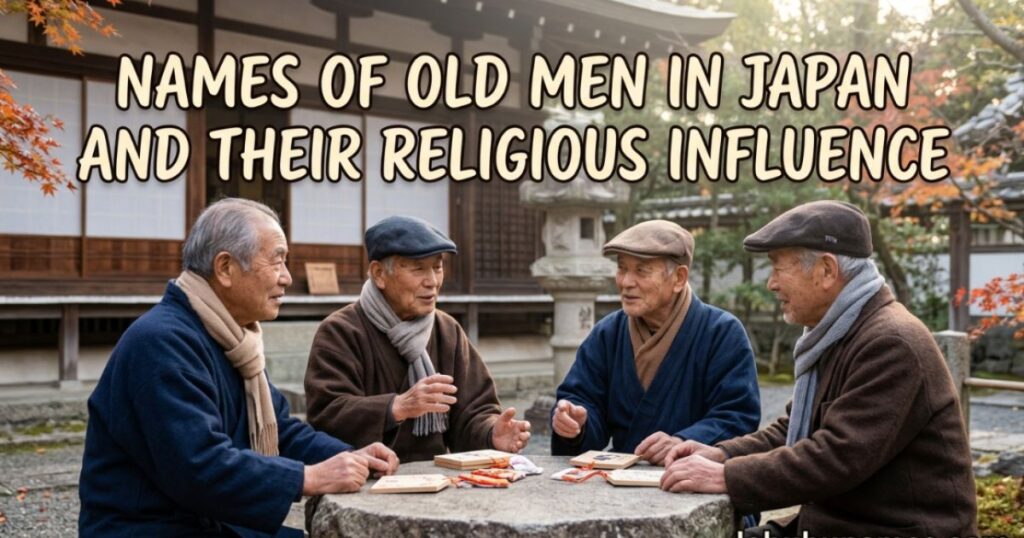
Names of old men in Japan and their religious influence come from Shinto and Buddhist traditions. These names of old men in Japan were often given to show blessings, purity, and divine protection. They are also connected with Japanese male names, Japanese boy names, male Japanese names, Japanese names for boys, and Japanese first names male.
- Hoshiko
• Meaning: Star child
• Pronunciation: Hoh-shee-koh
• Kanji: 星子 - Masahiko
• Meaning: Righteous prince
• Pronunciation: Mah-sah-hee-koh
• Kanji: 正彦 - Seijiro
• Meaning: Pure second son
• Pronunciation: Seh-ee-jee-roh
• Kanji: 清次郎 - Jinen
• Meaning: Natural spirit
• Pronunciation: Jee-nen
• Kanji: 自然 - Tenzan
• Meaning: Heavenly mountain
• Pronunciation: Ten-zan
• Kanji: 天山 - Reiko
• Meaning: Spirit child
• Pronunciation: Ray-koh
• Kanji: 霊子 - Satoru
• Meaning: Enlightened one
• Pronunciation: Sah-toh-roo
• Kanji: 悟 - Kannon
• Meaning: Goddess of mercy
• Pronunciation: Kah-non
• Kanji: 観音 - Jizo
• Meaning: Earth guardian
• Pronunciation: Jee-zoh
• Kanji: 地蔵 - Amateru
• Meaning: Shining heaven
• Pronunciation: Ah-mah-teh-roo
• Kanji: 天照 - Shinzen
• Meaning: True good
• Pronunciation: Sheen-zen
• Kanji: 真善 - Hokuto
• Meaning: North star
• Pronunciation: Hoh-koo-toh
• Kanji: 北斗 - Daizen
• Meaning: Great virtue
• Pronunciation: Dai-zen
• Kanji: 大善 - Yorinobu
• Meaning: Faithful belief
• Pronunciation: Yoh-ree-noh-boo
• Kanji: 頼信 - Masaharu
• Meaning: True spring
• Pronunciation: Mah-sah-hah-roo
• Kanji: 正春 - Tomonori
• Meaning: Wise friend law
• Pronunciation: Toh-moh-noh-ree
• Kanji: 友則 - Kiyohiko
• Meaning: Pure prince
• Pronunciation: Kee-yoh-hee-koh
• Kanji: 清彦 - Norihito
• Meaning: Lawful kindness
• Pronunciation: Noh-ree-hee-toh
• Kanji: 憲仁 - Fumihiro
• Meaning: Literary brightness
• Pronunciation: Foo-mee-hee-roh
• Kanji: 文弘 - Shigenori
• Meaning: Virtuous law
• Pronunciation: Shee-geh-noh-ree
• Kanji: 茂則 - Takahiko
• Meaning: Noble prince
• Pronunciation: Tah-kah-hee-koh
• Kanji: 貴彦 - Sennin
• Meaning: Hermit sage
• Pronunciation: Sen-neen
• Kanji: 仙人 - Ryushin
• Meaning: Dragon heart
• Pronunciation: Ryoo-sheen
• Kanji: 龍心 - Kenshin
• Meaning: Humble truth
• Pronunciation: Ken-sheen
• Kanji: 謙信 - Bonten
• Meaning: Heavenly king
• Pronunciation: Bon-ten
• Kanji: 梵天 - Jogen
• Meaning: Pure truth
• Pronunciation: Joh-gen
• Kanji: 浄言 - Reihiko
• Meaning: Spirit prince
• Pronunciation: Ray-hee-koh
• Kanji: 霊彦 - Shinroku
• Meaning: True blessing
• Pronunciation: Sheen-roh-koo
• Kanji: 真禄 - Haruzan
• Meaning: Spring mountain
• Pronunciation: Hah-roo-zan
• Kanji: 春山 - Mitsunori
• Meaning: Light law
• Pronunciation: Meet-soo-noh-ree
• Kanji: 光則
Popular Names of Old Men in Japan in the 20th Century
In the 20th century, Japanese male names reflected tradition, simplicity, and strong cultural values. Many names from this era were deeply rooted in family structure, nature, and virtues like honor, courage, and discipline. These names of old men in Japan were commonly given to boys who later became part of Japan’s older generation today, making them classic and historically significant.
- Hiroshi
• Meaning: Generous, broad-minded
• Pronunciation: Hee-roh-shee
• Kanji: 博 / 寛 - Takashi
• Meaning: Noble, prosperous
• Pronunciation: Tah-kah-shee
• Kanji: 隆 / 孝 - Kenji
• Meaning: Intelligent second son
• Pronunciation: Ken-jee
• Kanji: 健二 - Masaru
• Meaning: Victory, excellence
• Pronunciation: Mah-sah-roo
• Kanji: 勝 - Akira
• Meaning: Bright, clear
• Pronunciation: Ah-kee-rah
• Kanji: 明 - Isamu
• Meaning: Courage, bravery
• Pronunciation: Ee-sah-moo
• Kanji: 勇 - Susumu
• Meaning: To advance
• Pronunciation: Soo-soo-moo
• Kanji: 進 - Tsutomu
• Meaning: Diligent, hardworking
• Pronunciation: Tsoo-toh-moo
• Kanji: 勤 - Noboru
• Meaning: To rise, ascend
• Pronunciation: Noh-boh-roo
• Kanji: 昇 - Shigeru
• Meaning: Luxuriant growth
• Pronunciation: Shee-geh-roo
• Kanji: 茂 - Tadashi
• Meaning: Righteous, correct
• Pronunciation: Tah-dah-shee
• Kanji: 正 - Eiji
• Meaning: Eternal peace
• Pronunciation: Eh-ee-jee
• Kanji: 永次 - Fumio
• Meaning: Literary man
• Pronunciation: Foo-mee-oh
• Kanji: 文雄 - Hideki
• Meaning: Excellent, bright tree
• Pronunciation: Hee-deh-kee
• Kanji: 英樹 - Kazuo
• Meaning: Harmonious man
• Pronunciation: Kah-zoo-oh
• Kanji: 和夫 - Masashi
• Meaning: Righteous ambition
• Pronunciation: Mah-sah-shee
• Kanji: 正志 - Seiji
• Meaning: Just governance
• Pronunciation: Seh-ee-jee
• Kanji: 誠司 - Yukio
• Meaning: Lucky man
• Pronunciation: Yoo-kee-oh
• Kanji: 幸雄 - Yoshio
• Meaning: Virtuous man
• Pronunciation: Yoh-shee-oh
• Kanji: 義雄 - Hideo
• Meaning: Excellent man
• Pronunciation: Hee-deh-oh
• Kanji: 英雄 - Teruo
• Meaning: Shining man
• Pronunciation: Teh-roo-oh
• Kanji: 輝雄 - Michio
• Meaning: Man of the path
• Pronunciation: Mee-chee-oh
• Kanji: 道雄 - Norio
• Meaning: Lawful man
• Pronunciation: Noh-ree-oh
• Kanji: 則雄 - Shiro
• Meaning: Fourth son
• Pronunciation: Shee-roh
• Kanji: 四郎 - Jiro
• Meaning: Second son
• Pronunciation: Jee-roh
• Kanji: 次郎 - Saburo
• Meaning: Third son
• Pronunciation: Sah-boo-roh
• Kanji: 三郎 - Goro
• Meaning: Fifth son
• Pronunciation: Goh-roh
• Kanji: 五郎 - Kiyoshi
• Meaning: Pure, clean
• Pronunciation: Kee-yoh-shee
• Kanji: 清 - Masahiro
• Meaning: Wide righteousness
• Pronunciation: Mah-sah-hee-roh
• Kanji: 正弘 - Tetsuo
• Meaning: Iron man
• Pronunciation: Teht-soo-oh
• Kanji: 鉄雄
Names of Old Men in Japan Still Used Today
Many traditional Japanese male names are still widely used today, especially because they carry soft pronunciation, positive meanings, and timeless cultural value. These names of old men in Japan are popular among modern parents as they blend tradition with contemporary appeal while staying easy to pronounce internationally.
- Haruto
• Meaning: Sunlight, flying
• Pronunciation: Hah-roo-toh
• Kanji: 陽翔 - Ren
• Meaning: Lotus, love
• Pronunciation: Rehn
• Kanji: 蓮 - Yuto
• Meaning: Gentle person
• Pronunciation: Yoo-toh
• Kanji: 悠人 - Sota
• Meaning: Strong wind sound
• Pronunciation: Soh-tah
• Kanji: 蒼太 - Kaito
• Meaning: Ocean flight
• Pronunciation: Kai-toh
• Kanji: 海翔 - Riku
• Meaning: Land, earth
• Pronunciation: Ree-koo
• Kanji: 陸 - Haruki
• Meaning: Spring brightness
• Pronunciation: Hah-roo-kee
• Kanji: 晴輝 - Daiki
• Meaning: Great radiance
• Pronunciation: Dai-kee
• Kanji: 大輝 - Yuma
• Meaning: Calm truth
• Pronunciation: Yoo-mah
• Kanji: 悠真 - Hinata
• Meaning: Sunny place
• Pronunciation: Hee-nah-tah
• Kanji: 陽向 - Itsuki
• Meaning: Tree, life
• Pronunciation: Eet-soo-kee
• Kanji: 樹 - Takumi
• Meaning: Skilled artisan
• Pronunciation: Tah-koo-mee
• Kanji: 匠 - Shohei
• Meaning: Peaceful flight
• Pronunciation: Shoh-heh-ee
• Kanji: 翔平 - Ryo
• Meaning: Refreshing coolness
• Pronunciation: Ryoh
• Kanji: 涼 - Naoki
• Meaning: Honest tree
• Pronunciation: Nah-oh-kee
• Kanji: 直樹 - Kenta
• Meaning: Strong, healthy
• Pronunciation: Ken-tah
• Kanji: 健太 - Tsubasa
• Meaning: Wings
• Pronunciation: Tsoo-bah-sah
• Kanji: 翼 - Ryusei
• Meaning: Shooting star
• Pronunciation: Ryoo-seh-ee
• Kanji: 流星 - Minato
• Meaning: Harbor
• Pronunciation: Mee-nah-toh
• Kanji: 湊 - Aoi
• Meaning: Blue, hollyhock
• Pronunciation: Ah-oh-ee
• Kanji: 葵 - Sora
• Meaning: Sky
• Pronunciation: Soh-rah
• Kanji: 空 - Arata
• Meaning: New, fresh
• Pronunciation: Ah-rah-tah
• Kanji: 新 - Shun
• Meaning: Talent, speed
• Pronunciation: Shoon
• Kanji: 俊 - Hikaru
• Meaning: Light, radiance
• Pronunciation: Hee-kah-roo
• Kanji: 光 - Kazuki
• Meaning: Harmony, hope
• Pronunciation: Kah-zoo-kee
• Kanji: 和希 - Taiga
• Meaning: Great river
• Pronunciation: Tai-gah
• Kanji: 大河 - Yuki
• Meaning: Happiness, snow
• Pronunciation: Yoo-kee
• Kanji: 雪 / 幸 - Reo
• Meaning: Bright man
• Pronunciation: Reh-oh
• Kanji: 怜央 - Koki
• Meaning: Shining hope
• Pronunciation: Koh-kee
• Kanji: 光希 - Eito
• Meaning: Eternal light
• Pronunciation: Eh-ee-toh
• Kanji: 永翔
Names of Old Men in Japan and Their Cultural Evolution
Japanese male naming traditions have changed over time, moving from strict family-based naming patterns to more expressive and modern meanings. Older generations often used names that reflected order in the family (like birth order), nature, and virtues such as loyalty, honor, and endurance. Over time, these names of old men in Japan became more symbolic and less hierarchical, showing Japan’s cultural shift from feudal society to modern identity.
- Tarō
• Meaning: Eldest son
• Pronunciation: Tah-roh
• Kanji: 太郎 - Jirō
• Meaning: Second son
• Pronunciation: Jee-roh
• Kanji: 次郎 - Saburō
• Meaning: Third son
• Pronunciation: Sah-boo-roh
• Kanji: 三郎 - Gorō
• Meaning: Fifth son
• Pronunciation: Goh-roh
• Kanji: 五郎 - Heihachi
• Meaning: Peaceful eight
• Pronunciation: Heh-ee-hah-chee
• Kanji: 平八 - Masanori
• Meaning: Righteous rule
• Pronunciation: Mah-sah-noh-ree
• Kanji: 正則 - Nobunaga
Oda Nobunaga
• Meaning: Trust and longevity
• Pronunciation: Noh-boo-nah-gah
• Kanji: 信長 - Hideyoshi
Toyotomi Hideyoshi
• Meaning: Excellent prosperity
• Pronunciation: Hee-deh-yoh-shee
• Kanji: 秀吉 - Ieyasu
Tokugawa Ieyasu
• Meaning: Peaceful house
• Pronunciation: Ee-eh-yah-soo
• Kanji: 家康 - Mitsuhide
• Meaning: Shining excellence
• Pronunciation: Mee-tsoo-hee-deh
• Kanji: 光秀 - Yoshinobu
• Meaning: Faithful righteousness
• Pronunciation: Yoh-shee-noh-boo
• Kanji: 義信 - Takamori
• Meaning: Noble forest
• Pronunciation: Tah-kah-moh-ree
• Kanji: 隆盛 - Masamune
• Meaning: True peak
• Pronunciation: Mah-sah-moo-neh
• Kanji: 政宗 - Yorimitsu
• Meaning: Loyal light
• Pronunciation: Yoh-ree-mee-tsoo
• Kanji: 頼光 - Tadamori
• Meaning: Loyal protector
• Pronunciation: Tah-dah-moh-ree
• Kanji: 忠盛 - Michinaga
• Meaning: Prosperous path
• Pronunciation: Mee-chee-nah-gah
• Kanji: 道長 - Yorimasa
• Meaning: Loyal righteousness
• Pronunciation: Yoh-ree-mah-sah
• Kanji: 頼政 - Tadayoshi
• Meaning: Loyal goodness
• Pronunciation: Tah-dah-yoh-shee
• Kanji: 忠義 - Nagamasa
• Meaning: Long prosperity
• Pronunciation: Nah-gah-mah-sah
• Kanji: 長政 - Katsumoto
• Meaning: Victorious origin
• Pronunciation: Kaht-soo-moh-toh
• Kanji: 勝元 - Yoshikazu
• Meaning: Righteous harmony
• Pronunciation: Yoh-shee-kah-zoo
• Kanji: 義一 - Harunobu
• Meaning: Spring faith
• Pronunciation: Hah-roo-noh-boo
• Kanji: 晴信 - Tokimasa
• Meaning: Time’s prosperity
• Pronunciation: Toh-kee-mah-sah
• Kanji: 時政 - Mitsunobu
• Meaning: Light of faith
• Pronunciation: Mee-tsoo-noh-boo
• Kanji: 光信 - Sadamori
• Meaning: True protector
• Pronunciation: Sah-dah-moh-ree
• Kanji: 貞盛 - Nobumasa
• Meaning: Faithful truth
• Pronunciation: Noh-boo-mah-sah
• Kanji: 信政 - Morinaga
• Meaning: Prosperous eternity
• Pronunciation: Moh-ree-nah-gah
• Kanji: 盛長 - Takanobu
• Meaning: High faith
• Pronunciation: Tah-kah-noh-boo
• Kanji: 隆信 - Yukimasa
• Meaning: Peaceful righteousness
• Pronunciation: Yoo-kee-mah-sah
• Kanji: 行正 - Arimasa
• Meaning: Noble truth
• Pronunciation: Ah-ree-mah-sah
• Kanji: 有政
Classic Names of Old Men in Japan and Their Significance
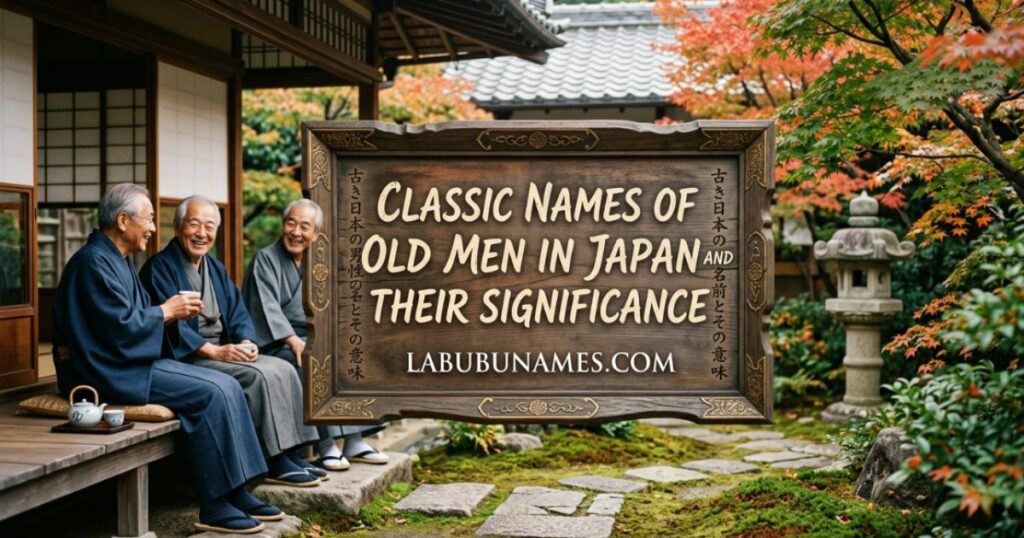
Classic names of old men in Japan are deeply tied to values like honor, discipline, respect, and simplicity. These names of old men in Japan were widely used in historical Japan and often reflected Confucian and samurai-era ideals. Many of them remain respected today for their timeless meaning and cultural depth.
- Hiroshi
• Meaning: Generous, tolerant
• Pronunciation: Hee-roh-shee
• Kanji: 寛 - Takashi
• Meaning: Noble, prosperous
• Pronunciation: Tah-kah-shee
• Kanji: 隆 - Kenji
• Meaning: Strong and wise second son
• Pronunciation: Kehn-jee
• Kanji: 健二 - Satoshi
• Meaning: Wise, intelligent
• Pronunciation: Sah-toh-shee
• Kanji: 聡 - Masashi
• Meaning: Righteous aspiration
• Pronunciation: Mah-sah-shee
• Kanji: 正志 - Yuji
• Meaning: Brave second son
• Pronunciation: Yoo-jee
• Kanji: 勇二 - Takuya
• Meaning: Pioneer expansion
• Pronunciation: Tah-koo-yah
• Kanji: 拓也 - Naoya
• Meaning: Honest and open
• Pronunciation: Nah-oh-yah
• Kanji: 直哉 - Kazuki
• Meaning: Peaceful hope
• Pronunciation: Kah-zoo-kee
• Kanji: 和希 - Kenta
• Meaning: Strong and healthy
• Pronunciation: Ken-tah
• Kanji: 健太 - Akira
• Meaning: Bright, clear
• Pronunciation: Ah-kee-rah
• Kanji: 明 - Jun
• Meaning: Pure, obedient
• Pronunciation: Joon
• Kanji: 純 - Ken
• Meaning: Strong, healthy
• Pronunciation: Kehn
• Kanji: 健 - Shun
• Meaning: Talented, fast
• Pronunciation: Shoon
• Kanji: 俊 - Koji
• Meaning: Second son
• Pronunciation: Koh-jee
• Kanji: 浩二 - Shinji
• Meaning: True rule
• Pronunciation: Sheen-jee
• Kanji: 真司 - Kiyoshi
• Meaning: Pure, clean
• Pronunciation: Kee-yoh-shee
• Kanji: 清 - Hiroki
• Meaning: Vast radiance
• Pronunciation: Hee-roh-kee
• Kanji: 広輝 - Satoru
• Meaning: Enlightened one
• Pronunciation: Sah-toh-roo
• Kanji: 悟 - Hayato
• Meaning: Falcon person
• Pronunciation: Hah-yah-toh
• Kanji: 隼人 - Daichi
• Meaning: Great earth
• Pronunciation: Dai-chee
• Kanji: 大地 - Shota
• Meaning: Soaring strength
• Pronunciation: Shoh-tah
• Kanji: 翔太 - Keisuke
• Meaning: Blessed help
• Pronunciation: Keh-ee-skeh
• Kanji: 圭介 - Ryohei
• Meaning: Cool peace
• Pronunciation: Ryoh-heh
• Kanji: 涼平 - Hikaru
• Meaning: Light, brilliance
• Pronunciation: Hee-kah-roo
• Kanji: 光 - Yuma
• Meaning: Gentle truth
• Pronunciation: Yoo-mah
• Kanji: 悠真 - Shohei
• Meaning: Peaceful flight
• Pronunciation: Shoh-heh
• Kanji: 翔平 - Kazuya
• Meaning: Harmonious one
• Pronunciation: Kah-zoo-yah
• Kanji: 和也 - Takumi
• Meaning: Master craftsman
• Pronunciation: Tah-koo-mee
• Kanji: 匠 - Yuto
• Meaning: Gentle person
• Pronunciation: Yoo-toh
• Kanji: 悠人
Names of Old Men in Japan in Samurai Families
Samurai families followed strict naming traditions that reflected loyalty, courage, discipline, and honor. These names of old men in Japan often carried kanji connected to strength, war, loyalty to the clan, and service to feudal lords. Many legendary warriors from Japan’s feudal era carried such names, which still symbolize bravery and heritage today.
- Tadakatsu
• Meaning: Loyal victory
• Pronunciation: Tah-dah-kah-tsoo
• Kanji: 忠勝 - Tadamasa
• Meaning: Loyal prosperity
• Pronunciation: Tah-dah-mah-sah
• Kanji: 忠政 - Kiyomori
• Meaning: Pure forest
• Pronunciation: Kee-yoh-moh-ree
• Kanji: 清盛 - Yoshimitsu
• Meaning: Righteous light
• Pronunciation: Yoh-shee-mee-tsoo
• Kanji: 義満 - Tokugawa Ieyasu
Tokugawa Ieyasu
• Meaning: Peaceful governance
• Pronunciation: Ee-eh-yah-soo
• Kanji: 家康 - Oda Nobunaga
Oda Nobunaga
• Meaning: Trust and longevity
• Pronunciation: Noh-boo-nah-gah
• Kanji: 信長 - Toyotomi Hideyoshi
Toyotomi Hideyoshi
• Meaning: Excellent prosperity
• Pronunciation: Hee-deh-yoh-shee
• Kanji: 秀吉 - Masamune
• Meaning: True peak
• Pronunciation: Mah-sah-moo-neh
• Kanji: 政宗 - Ujiyasu
• Meaning: Peaceful clan
• Pronunciation: Oo-jee-yah-soo
• Kanji: 氏康 - Mitsuhide
• Meaning: Shining excellence
• Pronunciation: Mee-tsoo-hee-deh
• Kanji: 光秀 - Nobunori
• Meaning: Faithful law
• Pronunciation: Noh-boo-noh-ree
• Kanji: 信則 - Moritsuna
• Meaning: Forest cord
• Pronunciation: Moh-ree-tsoo-nah
• Kanji: 盛綱 - Takanori
• Meaning: Noble law
• Pronunciation: Tah-kah-noh-ree
• Kanji: 隆則 - Yoshihiro
• Meaning: Righteous vastness
• Pronunciation: Yoh-shee-hee-roh
• Kanji: 義弘 - Kagetora
• Meaning: Shadow tiger
• Pronunciation: Kah-geh-toh-rah
• Kanji: 景虎 - Masayuki
• Meaning: True fortune
• Pronunciation: Mah-sah-yoo-kee
• Kanji: 正幸 - Nobushige
• Meaning: Faithful excellence
• Pronunciation: Noh-boo-shee-geh
• Kanji: 信繁 - Yukimura
• Meaning: Snow village
• Pronunciation: Yoo-kee-moo-rah
• Kanji: 幸村 - Katsuyori
• Meaning: Victorious reason
• Pronunciation: Kaht-soo-yoh-ree
• Kanji: 勝頼 - Motonari
• Meaning: Origin virtue
• Pronunciation: Moh-toh-nah-ree
• Kanji: 元就 - Norimasa
• Meaning: Lawful truth
• Pronunciation: Noh-ree-mah-sah
• Kanji: 典政 - Sadayori
• Meaning: Loyal reliance
• Pronunciation: Sah-dah-yoh-ree
• Kanji: 貞頼 - Arinobu
• Meaning: Existing faith
• Pronunciation: Ah-ree-noh-boo
• Kanji: 在信 - Tomomori
• Meaning: Friendly forest
• Pronunciation: Toh-moh-moh-ree
• Kanji: 友盛 - Chikamasa
• Meaning: Near righteousness
• Pronunciation: Chee-kah-mah-sah
• Kanji: 近政 - Harunaga
• Meaning: Spring prosperity
• Pronunciation: Hah-roo-nah-gah
• Kanji: 春長 - Munemori
• Meaning: Guardian forest
• Pronunciation: Moo-neh-moh-ree
• Kanji: 宗盛 - Sadamitsu
• Meaning: True light
• Pronunciation: Sah-dah-mee-tsoo
• Kanji: 貞光 - Yoshikage
• Meaning: Righteous shadow
• Pronunciation: Yoh-shee-kah-geh
• Kanji: 義景 - Takatora
• Meaning: Noble tiger
• Pronunciation: Tah-kah-toh-rah
• Kanji: 隆虎
Names of Old Men in Japan and Their Regional Differences
In Japan, names of old men in Japan often vary by region, reflecting local dialects, history, and family traditions. Northern areas tend to preserve more classical, samurai-influenced names, while southern regions sometimes prefer softer phonetic styles.
- Masanori
- Meaning: Righteous rule
- Pronunciation: Mah-sah-noh-ree
- Kanji: 正則
- Takamori
- Meaning: Noble forest
- Pronunciation: Tah-kah-moh-ree
- Kanji: 隆盛
- Kiyomori
- Meaning: Pure forest
- Pronunciation: Kee-yoh-moh-ree
- Kanji: 清盛
- Yoshinobu
- Meaning: Faithful righteousness
- Pronunciation: Yoh-shee-noh-boo
- Kanji: 義信
- Tadanobu
- Meaning: Loyal faith
- Pronunciation: Tah-dah-noh-boo
- Kanji: 忠信
- Yorimitsu
- Meaning: Loyal light
- Pronunciation: Yoh-ree-mee-tsoo
- Kanji: 頼光
- Masamune
- Meaning: True peak
- Pronunciation: Mah-sah-moo-neh
- Kanji: 政宗
- Nobunaga
- Meaning: Trust and eternity
- Pronunciation: Noh-boo-nah-gah
- Kanji: 信長
- Hideyoshi
- Meaning: Excellent prosperity
- Pronunciation: Hee-deh-yoh-shee
- Kanji: 秀吉
- Ieyasu
- Meaning: Peaceful house
- Pronunciation: Ee-eh-yah-soo
- Kanji: 家康
- Mitsuhide
- Meaning: Shining excellence
- Pronunciation: Mee-tsoo-hee-deh
- Kanji: 光秀
- Yoshimitsu
- Meaning: Righteous light
- Pronunciation: Yoh-shee-mee-tsoo
- Kanji: 義満
- Tokimune
- Meaning: Time guardian
- Pronunciation: Toh-kee-moo-neh
- Kanji: 時宗
- Noriyuki
- Meaning: Lawful fortune
- Pronunciation: Noh-ree-yoo-kee
- Kanji: 典之
- Michinaga
- Meaning: Prosperous path
- Pronunciation: Mee-chee-nah-gah
- Kanji: 道長
- Yorimasa
- Meaning: Loyal righteousness
- Pronunciation: Yoh-ree-mah-sah
- Kanji: 頼政
- Nagamasa
- Meaning: Long prosperity
- Pronunciation: Nah-gah-mah-sah
- Kanji: 長政
- Katsumoto
- Meaning: Victorious origin
- Pronunciation: Kaht-soo-moh-toh
- Kanji: 勝元
- Tadayoshi
- Meaning: Loyal goodness
- Pronunciation: Tah-dah-yoh-shee
- Kanji: 忠義
- Sadamitsu
- Meaning: True light
- Pronunciation: Sah-dah-mee-tsoo
- Kanji: 貞光
- Kuniyoshi
- Meaning: Country goodness
- Pronunciation: Koo-nee-yoh-shee
- Kanji: 国義
- Shigemori
- Meaning: Luxuriant forest
- Pronunciation: Shee-geh-moh-ree
- Kanji: 重盛
- Tsunemori
- Meaning: Eternal protection
- Pronunciation: Tsoo-neh-moh-ree
- Kanji: 常盛
- Ujiyasu
- Meaning: Peaceful clan
- Pronunciation: Oo-jee-yah-soo
- Kanji: 氏康
- Sanetomo
- Meaning: Virtuous friend
- Pronunciation: Sah-neh-toh-moh
- Kanji: 実朝
- Tokitada
- Meaning: Loyal virtue
- Pronunciation: Toh-kee-tah-dah
- Kanji: 時忠
- Morinaga
- Meaning: Prosperous eternity
- Pronunciation: Moh-ree-nah-gah
- Kanji: 盛長
- Arimasa
- Meaning: Noble truth
- Pronunciation: Ah-ree-mah-sah
- Kanji: 有政
- Yoshitaka
- Meaning: Righteous nobility
- Pronunciation: Yoh-shee-tah-kah
- Kanji: 義隆
- Tomonobu
- Meaning: Faithful friend
- Pronunciation: Toh-moh-noh-boo
- Kanji: 友信
Names of Old Men in Japan With Deep Symbolic Meaning
The names of old men in Japan often carry philosophical and spiritual depth. Many represent life principles such as wisdom, loyalty, endurance, and harmony with nature.
- Satoru
- Meaning: Enlightened one
- Pronunciation: Sah-toh-roo
- Kanji: 悟
- Shinpei
- Meaning: True peace
- Pronunciation: Sheen-peh
- Kanji: 真平
- Seiji
- Meaning: Just governance
- Pronunciation: Seh-ee-jee
- Kanji: 誠司
- Takumi
- Meaning: Master craftsman
- Pronunciation: Tah-koo-mee
- Kanji: 匠
- Masato
- Meaning: True person
- Pronunciation: Mah-sah-toh
- Kanji: 真人
- Akihiro
- Meaning: Bright abundance
- Pronunciation: Ah-kee-hee-roh
- Kanji: 明宏
- Hiroaki
- Meaning: Wide brightness
- Pronunciation: Hee-roh-ah-kee
- Kanji: 広明
- Harunobu
- Meaning: Spring faith
- Pronunciation: Hah-roo-noh-boo
- Kanji: 晴信
- Mitsunobu
- Meaning: Light of faith
- Pronunciation: Mee-tsoo-noh-boo
- Kanji: 光信
- Tadatsune
- Meaning: Loyal virtue
- Pronunciation: Tah-dah-tsoo-neh
- Kanji: 忠恒
- Yoshinari
- Meaning: Virtuous order
- Pronunciation: Yoh-shee-nah-ree
- Kanji: 義成
- Kiyonobu
- Meaning: Pure faith
- Pronunciation: Kee-yoh-noh-boo
- Kanji: 清信
- Tomomichi
- Meaning: Friend’s path
- Pronunciation: Toh-moh-mee-chee
- Kanji: 友道
- Sadamori
- Meaning: True protector
- Pronunciation: Sah-dah-moh-ree
- Kanji: 貞盛
- Norihide
- Meaning: Lawful brightness
- Pronunciation: Noh-ree-hee-deh
- Kanji: 典英
- Tokikazu
- Meaning: Time harmony
- Pronunciation: Toh-kee-kah-zoo
- Kanji: 時一
- Morifusa
- Meaning: Forest protection
- Pronunciation: Moh-ree-foo-sah
- Kanji: 盛房
- Michitada
- Meaning: Faithful path
- Pronunciation: Mee-chee-tah-dah
- Kanji: 道忠
- Nobumasa
- Meaning: Faithful truth
- Pronunciation: Noh-boo-mah-sah
- Kanji: 信政
- Kensei
- Meaning: Wise spirit
- Pronunciation: Kehn-seh-ee
- Kanji: 賢聖
- Tomoya
- Meaning: Wise friend
- Pronunciation: Toh-moh-yah
- Kanji: 友也
- Issei
- Meaning: First generation
- Pronunciation: Ees-seh
- Kanji: 一成
- Yasumasa
- Meaning: Peaceful truth
- Pronunciation: Yah-soo-mah-sah
- Kanji: 康政
- Haruyuki
- Meaning: Gentle snow
- Pronunciation: Hah-roo-yoo-kee
- Kanji: 春雪
- Fumitaka
- Meaning: Noble writing
- Pronunciation: Foo-mee-tah-kah
- Kanji: 文高
- Chikamasa
- Meaning: Near righteousness
- Pronunciation: Chee-kah-mah-sah
- Kanji: 近政
- Tadamori
- Meaning: Loyal protector
- Pronunciation: Tah-dah-moh-ree
- Kanji: 忠盛
- Noritaka
- Meaning: Lawful nobility
- Pronunciation: Noh-ree-tah-kah
- Kanji: 典高
- Arisato
- Meaning: Noble wisdom
- Pronunciation: Ah-ree-sah-toh
- Kanji: 有聡
- Yoshifusa
- Meaning: Righteous protector
- Pronunciation: Yoh-shee-foo-sah
- Kanji: 義房
Names of Old Men in Japan Based on Virtue and Honor
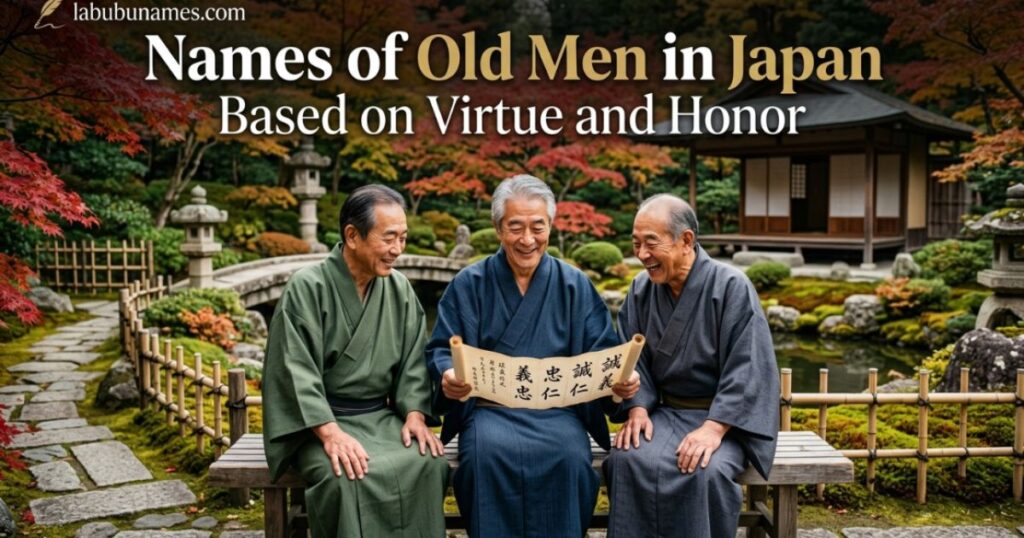
Traditional male Names of Old Men in Japan often reflect moral values such as honor, loyalty, courage, and righteousness. These Names of Old Men in Japan were especially common among samurai families and respected elders who valued discipline and integrity.
- Tadayoshi
- Meaning: Loyal goodness
- Pronunciation: Tah-dah-yoh-shee
- Kanji: 忠義
- Yoshikazu
- Meaning: Righteous harmony
- Pronunciation: Yoh-shee-kah-zoo
- Kanji: 義一
- Masanori
- Meaning: Righteous rule
- Pronunciation: Mah-sah-noh-ree
- Kanji: 正則
- Takamori
- Meaning: Noble forest
- Pronunciation: Tah-kah-moh-ree
- Kanji: 隆盛
- Nobutsuna
- Meaning: Faithful bond
- Pronunciation: Noh-boo-tsoo-nah
- Kanji: 信綱
- Yorihide
- Meaning: Reliable brightness
- Pronunciation: Yoh-ree-hee-deh
- Kanji: 頼英
- Yoshimitsu
- Meaning: Righteous light
- Pronunciation: Yoh-shee-mee-tsoo
- Kanji: 義満
- Masahiko
- Meaning: Honest prince
- Pronunciation: Mah-sah-hee-koh
- Kanji: 正彦
- Tadakatsu
- Meaning: Loyal victory
- Pronunciation: Tah-dah-kah-tsoo
- Kanji: 忠勝
- Ujiyasu
- Meaning: Peaceful clan
- Pronunciation: Oo-jee-yah-soo
- Kanji: 氏康
- Sanetomo
- Meaning: Virtuous friend
- Pronunciation: Sah-neh-toh-moh
- Kanji: 実朝
- Noriyuki
- Meaning: Lawful fortune
- Pronunciation: Noh-ree-yoo-kee
- Kanji: 典之
- Michinaga
- Meaning: Prosperous path
- Pronunciation: Mee-chee-nah-gah
- Kanji: 道長
- Katsumoto
- Meaning: Victorious origin
- Pronunciation: Kaht-soo-moh-toh
- Kanji: 勝元
- Kagemasa
- Meaning: Bright warrior
- Pronunciation: Kah-geh-mah-sah
- Kanji: 景政
- Kuniyoshi
- Meaning: Country goodness
- Pronunciation: Koo-nee-yoh-shee
- Kanji: 国義
- Shigemori
- Meaning: Luxuriant forest
- Pronunciation: Shee-geh-moh-ree
- Kanji: 重盛
- Tsunemori
- Meaning: Eternal protection
- Pronunciation: Tsoo-neh-moh-ree
- Kanji: 常盛
- Kiyomori
- Meaning: Pure forest
- Pronunciation: Kee-yoh-moh-ree
- Kanji: 清盛
- Yoshinobu
- Meaning: Faithful righteousness
- Pronunciation: Yoh-shee-noh-boo
- Kanji: 義信
- Tadanobu
- Meaning: Loyal faith
- Pronunciation: Tah-dah-noh-boo
- Kanji: 忠信
- Yorimitsu
- Meaning: Loyal light
- Pronunciation: Yoh-ree-mee-tsoo
- Kanji: 頼光
- Masamune
- Meaning: True peak
- Pronunciation: Mah-sah-moo-neh
- Kanji: 政宗
- Hideyoshi
- Meaning: Excellent prosperity
- Pronunciation: Hee-deh-yoh-shee
- Kanji: 秀吉
- Ieyasu
- Meaning: Peaceful house
- Pronunciation: Ee-eh-yah-soo
- Kanji: 家康
- Mitsuhide
- Meaning: Shining excellence
- Pronunciation: Mee-tsoo-hee-deh
- Kanji: 光秀
- Tomonobu
- Meaning: Faithful friend
- Pronunciation: Toh-moh-noh-boo
- Kanji: 友信
- Sadamitsu
- Meaning: True light
- Pronunciation: Sah-dah-mee-tsoo
- Kanji: 貞光
- Morinaga
- Meaning: Prosperous eternity
- Pronunciation: Moh-ree-nah-gah
- Kanji: 盛長
- Arimasa
- Meaning: Noble truth
- Pronunciation: Ah-ree-mah-sah
- Kanji: 有政
Names of Old Men in Japan That Reflect Wisdom and Age
These traditional names of Old Men in Japan male names are strongly associated with wisdom, maturity, and life experience. They often come from kanji representing knowledge, virtue, calmness, and long life.
- Satoru
• Meaning: Enlightened, wise
• Pronunciation: Sah-toh-roo
• Kanji: 悟 - Akira
• Meaning: Bright, clear wisdom
• Pronunciation: Ah-kee-rah
• Kanji: 明 - Kenzo
• Meaning: Strong and wise third son
• Pronunciation: Ken-zoh
• Kanji: 健三 - Hiroshi
• Meaning: Tolerant, generous wisdom
• Pronunciation: Hee-roh-shee
• Kanji: 寛 - Masaru
• Meaning: Victory, excellence
• Pronunciation: Mah-sah-roo
• Kanji: 勝 - Isamu
• Meaning: Courage and discipline
• Pronunciation: Ee-sah-moo
• Kanji: 勇 - Noboru
• Meaning: Rising, growing wisdom
• Pronunciation: Noh-boh-roo
• Kanji: 昇 - Toshiro
• Meaning: Intelligent leader
• Pronunciation: Toh-shee-roh
• Kanji: 俊郎 - Takashi
• Meaning: Noble and prosperous mind
• Pronunciation: Tah-kah-shee
• Kanji: 隆 - Yukio
• Meaning: Blessed man
• Pronunciation: Yoo-kee-oh
• Kanji: 幸夫 - Haruo
• Meaning: Spring man, calm wisdom
• Pronunciation: Hah-roo-oh
• Kanji: 春夫 - Masato
• Meaning: True and righteous person
• Pronunciation: Mah-sah-toh
• Kanji: 正人 - Kiyoshi
• Meaning: Pure, clear mind
• Pronunciation: Kee-yoh-shee
• Kanji: 清 - Shigeru
• Meaning: Flourishing wisdom
• Pronunciation: Shee-geh-roo
• Kanji: 茂 - Tadashi
• Meaning: Correct, just man
• Pronunciation: Tah-dah-shee
• Kanji: 正 - Nobuyuki
• Meaning: Faithful happiness
• Pronunciation: Noh-boo-yoo-kee
• Kanji: 信幸 - Yoshio
• Meaning: Good, righteous man
• Pronunciation: Yoh-shee-oh
• Kanji: 義夫 - Tamotsu
• Meaning: Protector, keeper
• Pronunciation: Tah-moh-tsoo
• Kanji: 保 - Chikara
• Meaning: Strength, power
• Pronunciation: Chee-kah-rah
• Kanji: 力 - Susumu
• Meaning: To advance, progress
• Pronunciation: Soo-soo-moo
• Kanji: 進 - Hideki
• Meaning: Excellent brightness
• Pronunciation: Hee-deh-kee
• Kanji: 秀樹 - Masahiro
• Meaning: Just and broad wisdom
• Pronunciation: Mah-sah-hee-roh
• Kanji: 正弘 - Fumio
• Meaning: Scholarly man
• Pronunciation: Foo-mee-oh
• Kanji: 文夫 - Teruo
• Meaning: Shining man
• Pronunciation: Teh-roo-oh
• Kanji: 輝夫 - Seiji
• Meaning: Governed wisdom
• Pronunciation: Seh-ee-jee
• Kanji: 誠司 - Katsumi
• Meaning: Victorious beauty
• Pronunciation: Kaht-soo-mee
• Kanji: 勝美 - Yoshikazu
• Meaning: Righteous harmony
• Pronunciation: Yoh-shee-kah-zoo
• Kanji: 義一 - Tomio
• Meaning: Wealthy, wise man
• Pronunciation: Toh-mee-oh
• Kanji: 富夫 - Eiji
• Meaning: Eternal greatness
• Pronunciation: Eh-ee-jee
• Kanji: 英二 - Masanobu
• Meaning: True faith and virtue
• Pronunciation: Mah-sah-noh-boo
• Kanji: 正信
Names of Old Men in Japan From Famous Historical Figures
These names of Old Men in Japan belonged to influential leaders, samurai, and historical personalities who shaped Japanese history. Names of Old Men in Japan reflect power, leadership, and legacy.
- Tokugawa Ieyasu
• Meaning: Peaceful house
• Pronunciation: Ee-eh-yah-soo
• Kanji: 家康 - Oda Nobunaga
• Meaning: Eternal trust
• Pronunciation: Noh-boo-nah-gah
• Kanji: 信長 - Toyotomi Hideyoshi
• Meaning: Excellent prosperity
• Pronunciation: Hee-deh-yoh-shee
• Kanji: 秀吉 - Takeda Shingen
• Meaning: Trust and truth
• Pronunciation: Sheen-gen
• Kanji: 信玄 - Uesugi Kenshin
• Meaning: Modest heart
• Pronunciation: Ken-shin
• Kanji: 謙信 - Date Masamune
• Meaning: True ruler
• Pronunciation: Mah-sah-moo-neh
• Kanji: 政宗 - Miyamoto Musashi
• Meaning: Martial warrior
• Pronunciation: Moo-sah-shee
• Kanji: 武蔵 - Sakamoto Ryoma
• Meaning: Dragon horse
• Pronunciation: Ryoh-mah
• Kanji: 龍馬 - Saigo Takamori
• Meaning: Noble forest
• Pronunciation: Tah-kah-moh-ree
• Kanji: 隆盛 - Ashikaga Takauji
• Meaning: High achievement
• Pronunciation: Tah-kah-oo-jee
• Kanji: 尊氏 - Minamoto no Yoritomo
• Meaning: Reliable foundation
• Pronunciation: Yoh-ree-toh-moh
• Kanji: 頼朝 - Minamoto no Yoshitsune
• Meaning: Loyal virtue
• Pronunciation: Yoh-shee-tsoo-neh
• Kanji: 義経 - Hojo Tokimune
• Meaning: Time guardian
• Pronunciation: Toh-kee-moo-neh
• Kanji: 時宗 - Ouchi Yoshitaka
• Meaning: Righteous noble
• Pronunciation: Yoh-shee-tah-kah
• Kanji: 義隆 - Shimazu Yoshihiro
• Meaning: Righteous vastness
• Pronunciation: Yoh-shee-hee-roh
• Kanji: 義弘 - Mori Motonari
• Meaning: Origin of forest
• Pronunciation: Moh-toh-nah-ree
• Kanji: 元就 - Chosokabe Motochika
• Meaning: Origin wisdom
• Pronunciation: Moh-toh-chee-kah
• Kanji: 元親 - Ikeda Terumasa
• Meaning: Bright justice
• Pronunciation: Teh-roo-mah-sah
• Kanji: 輝政 - Kobayakawa Takakage
• Meaning: Noble shadow
• Pronunciation: Tah-kah-kah-geh
• Kanji: 隆景 - Kato Kiyomasa
• Meaning: Pure justice
• Pronunciation: Kee-yoh-mah-sah
• Kanji: 清正 - Honda Tadakatsu
• Meaning: Loyal victory
• Pronunciation: Tah-dah-kah-tsoo
• Kanji: 忠勝 - Ii Naomasa
• Meaning: Honest rule
• Pronunciation: Nah-oh-mah-sah
• Kanji: 直政 - Maeda Toshiie
• Meaning: Wise house
• Pronunciation: Toh-shee-ee-eh
• Kanji: 利家 - Sanada Yukimura
• Meaning: Snow truth
• Pronunciation: Yoo-kee-moo-rah
• Kanji: 幸村 - Akechi Mitsuhide
• Meaning: Bright excellence
• Pronunciation: Mee-tsoo-hee-deh
• Kanji: 光秀 - Hattori Hanzo
• Meaning: Hidden treasure
• Pronunciation: Hahn-zoh
• Kanji: 半蔵 - Kusunoki Masashige
• Meaning: Righteous courage
• Pronunciation: Mah-sah-shee-geh
• Kanji: 正成 - Takasugi Shinsaku
• Meaning: High excellence creation
• Pronunciation: Sheen-sah-koo
• Kanji: 晋作 - Okubo Toshimichi
• Meaning: Wise path
• Pronunciation: Toh-shee-mee-chee
• Kanji: 利通 - Kido Takayoshi
• Meaning: Noble righteousness
• Pronunciation: Tah-kah-yoh-shee
• Kanji: 孝允
Names of Old Men in Japan and Their Modern Usage Decline
These traditional male names were once common in Japan but have become less popular in modern generations. The names of Old Men in Japan are now often seen in historical contexts or older family lineages.
- Jiro
• Meaning: Second son
• Pronunciation: Jee-roh
• Kanji: 次郎 - Saburo
• Meaning: Third son
• Pronunciation: Sah-boo-roh
• Kanji: 三郎 - Shiro
• Meaning: Fourth son
• Pronunciation: Shee-roh
• Kanji: 四郎 - Heihachi
• Meaning: Peaceful eight
• Pronunciation: Heh-ee-hah-chee
• Kanji: 平八 - Goro
• Meaning: Fifth son
• Pronunciation: Goh-roh
• Kanji: 五郎 - Rokuro
• Meaning: Sixth son
• Pronunciation: Roh-koo-roh
• Kanji: 六郎 - Heizaburo
• Meaning: Peaceful third son
• Pronunciation: Heh-ee-zah-boo-roh
• Kanji: 平三郎 - Uemon
• Meaning: Right gate man
• Pronunciation: Oo-eh-mon
• Kanji: 右衛門 - Mataichi
• Meaning: Again first son
• Pronunciation: Mah-tah-ee-chee
• Kanji: 又一 - Sadao
• Meaning: Loyal man
• Pronunciation: Sah-dah-oh
• Kanji: 貞男 - Katsuro
• Meaning: Victorious son
• Pronunciation: Kaht-soo-roh
• Kanji: 勝郎 - Kumazo
• Meaning: Bear treasure
• Pronunciation: Koo-mah-zoh
• Kanji: 熊蔵 - Zenjiro
• Meaning: Good second son
• Pronunciation: Zehn-jee-roh
• Kanji: 善次郎 - Heisuke
• Meaning: Peaceful help
• Pronunciation: Heh-ee-soo-keh
• Kanji: 平助 - Chozaburo
• Meaning: Long third son
• Pronunciation: Choh-zah-boo-roh
• Kanji: 長三郎 - Kinzo
• Meaning: Golden treasure
• Pronunciation: Keen-zoh
• Kanji: 金蔵 - Gensuke
• Meaning: Origin helper
• Pronunciation: Gen-soo-keh
• Kanji: 源助 - Tokuzo
• Meaning: Virtuous treasure
• Pronunciation: Toh-koo-zoh
• Kanji: 徳蔵 - Mataji
• Meaning: Again second son
• Pronunciation: Mah-tah-jee
• Kanji: 又二 - Hachiro
• Meaning: Eighth son
• Pronunciation: Hah-chee-roh
• Kanji: 八郎 - Jujiro
• Meaning: Tenth second son
• Pronunciation: Joo-jee-roh
• Kanji: 十次郎 - Manzo
• Meaning: Ten thousand treasure
• Pronunciation: Mahn-zoh
• Kanji: 万蔵 - Yosaku
• Meaning: Good creation
• Pronunciation: Yoh-sah-koo
• Kanji: 与作 - Heitaro
• Meaning: Peaceful first son
• Pronunciation: Heh-ee-tah-roh
• Kanji: 平太郎 - Kichiro
• Meaning: Lucky son
• Pronunciation: Kee-chee-roh
• Kanji: 吉郎 - Sataro
• Meaning: Wise first son
• Pronunciation: Sah-tah-roh
• Kanji: 佐太郎 - Sahei
• Meaning: Assistant peace
• Pronunciation: Sah-heh-ee
• Kanji: 左平 - Uhei
• Meaning: Right peace
• Pronunciation: Oo-heh-ee
• Kanji: 右平 - Isaburo
• Meaning: Courageous third son
• Pronunciation: Ee-sah-boo-roh
• Kanji: 勇三郎 - Sannosuke
• Meaning: Third helper
• Pronunciation: Sahn-noh-soo-keh
• Kanji: 三之助
Names of Old Men in Japan in Post-War Generations
After World War II, Japanese naming trends shifted toward simpler kanji, peaceful meanings, and modern pronunciation. Many traditional names of Old Men in Japan remained, but softer and more optimistic meanings became common.
- Hiroshi
• Meaning: Generous, broad
• Pronunciation: Hee-roh-shee
• Kanji: 寛 - Kenji
• Meaning: Strong second son
• Pronunciation: Ken-jee
• Kanji: 健二 - Masaru
• Meaning: Victory, excellence
• Pronunciation: Mah-sah-roo
• Kanji: 勝 - Takashi
• Meaning: Noble, prosperous
• Pronunciation: Tah-kah-shee
• Kanji: 隆 - Satoshi
• Meaning: Wise, fast learner
• Pronunciation: Sah-toh-shee
• Kanji: 聡 - Yoshio
• Meaning: Good, righteous man
• Pronunciation: Yoh-shee-oh
• Kanji: 義男 - Kiyoshi
• Meaning: Pure, clean
• Pronunciation: Kee-yoh-shee
• Kanji: 清 - Akira
• Meaning: Bright, clear
• Pronunciation: Ah-kee-rah
• Kanji: 明 - Isao
• Meaning: Honor, achievement
• Pronunciation: Ee-sah-oh
• Kanji: 功 - Noboru
• Meaning: To rise
• Pronunciation: Noh-boh-roo
• Kanji: 昇 - Shigeru
• Meaning: Luxuriant growth
• Pronunciation: Shee-geh-roo
• Kanji: 茂 - Osamu
• Meaning: Discipline, rule
• Pronunciation: Oh-sah-moo
• Kanji: 修 - Eiji
• Meaning: Eternal peace
• Pronunciation: Eh-ee-jee
• Kanji: 英治 - Masao
• Meaning: Righteous man
• Pronunciation: Mah-sah-oh
• Kanji: 正男 - Tsutomu
• Meaning: To work diligently
• Pronunciation: Tsoo-toh-moo
• Kanji: 勤 - Hajime
• Meaning: Beginning
• Pronunciation: Hah-jee-meh
• Kanji: 元 - Fumio
• Meaning: Literary man
• Pronunciation: Foo-mee-oh
• Kanji: 文雄 - Yukio
• Meaning: Snow hero
• Pronunciation: Yoo-kee-oh
• Kanji: 幸雄 - Yoshito
• Meaning: Righteous person
• Pronunciation: Yoh-shee-toh
• Kanji: 義人 - Katsumi
• Meaning: Victorious beauty
• Pronunciation: Kaht-soo-mee
• Kanji: 勝美 - Tetsuo
• Meaning: Iron man, strong
• Pronunciation: Teht-soo-oh
• Kanji: 哲雄 - Naoki
• Meaning: Honest tree
• Pronunciation: Nah-oh-kee
• Kanji: 直樹 - Katsuhiro
• Meaning: Great victory
• Pronunciation: Kaht-soo-hee-roh
• Kanji: 勝弘 - Ryuzo
• Meaning: Dragon existence
• Pronunciation: Ryoo-zoh
• Kanji: 隆三 - Haruo
• Meaning: Spring man
• Pronunciation: Hah-roo-oh
• Kanji: 春男 - Iwao
• Meaning: Rock, strength
• Pronunciation: Ee-wah-oh
• Kanji: 岩男 - Masaki
• Meaning: True hope
• Pronunciation: Mah-sah-kee
• Kanji: 正樹 - Bunji
• Meaning: Literary second son
• Pronunciation: Boon-jee
• Kanji: 文二 - Shiro
• Meaning: Fourth son
• Pronunciation: Shee-roh
• Kanji: 四郎 - Tokuro
• Meaning: Virtuous son
• Pronunciation: Toh-koo-roh
• Kanji: 徳郎
Names of Old Men in Japan and Their Family Traditions
Traditional Japanese families often passed names from generation to generation, especially among elderly men who carried household responsibility and lineage identity. These Names of Old Men in Japan are strongly influenced by birth order systems, ancestral respect, and family continuity.
- Tarō
• Meaning: Eldest son
• Pronunciation: Tah-roh
• Kanji: 太郎 - Jirō
• Meaning: Second son
• Pronunciation: Jee-roh
• Kanji: 次郎 - Saburō
• Meaning: Third son
• Pronunciation: Sah-boo-roh
• Kanji: 三郎 - Shirō
• Meaning: Fourth son
• Pronunciation: Shee-roh
• Kanji: 四郎 - Gorō
• Meaning: Fifth son
• Pronunciation: Goh-roh
• Kanji: 五郎 - Rokurō
• Meaning: Sixth son
• Pronunciation: Roh-koo-roh
• Kanji: 六郎 - Shichirō
• Meaning: Seventh son
• Pronunciation: Shee-chee-roh
• Kanji: 七郎 - Hachirō
• Meaning: Eighth son
• Pronunciation: Hah-chee-roh
• Kanji: 八郎 - Kichirō
• Meaning: Lucky son
• Pronunciation: Kee-chee-roh
• Kanji: 吉郎 - Heijirō
• Meaning: Peaceful second son
• Pronunciation: Heh-ee-jee-roh
• Kanji: 平次郎 - Katsurō
• Meaning: Victorious son
• Pronunciation: Kaht-soo-roh
• Kanji: 勝郎 - Masarō
• Meaning: Righteous son
• Pronunciation: Mah-sah-roh
• Kanji: 正郎 - Norirō
• Meaning: Lawful son
• Pronunciation: Noh-ree-roh
• Kanji: 典郎 - Yoshirō
• Meaning: Virtuous son
• Pronunciation: Yoh-shee-roh
• Kanji: 義郎 - Tetsurō
• Meaning: Wise son
• Pronunciation: Teht-soo-roh
• Kanji: 哲郎 - Fumirō
• Meaning: Literary son
• Pronunciation: Foo-mee-roh
• Kanji: 文郎 - Harurō
• Meaning: Spring son
• Pronunciation: Hah-roo-roh
• Kanji: 春郎 - Kantarō
• Meaning: Strong eldest son
• Pronunciation: Kahn-tah-roh
• Kanji: 勘太郎 - Zentaro
• Meaning: Virtuous eldest son
• Pronunciation: Zehn-tah-roh
• Kanji: 善太郎 - Seitarō
• Meaning: Pure eldest son
• Pronunciation: Seh-ee-tah-roh
• Kanji: 清太郎 - Kiyotaro
• Meaning: Clean eldest son
• Pronunciation: Kee-yoh-tah-roh
• Kanji: 清太郎 - Ichiō
• Meaning: First son
• Pronunciation: Ee-chee-oh
• Kanji: 一郎 - Naojirō
• Meaning: Honest second son
• Pronunciation: Nah-oh-jee-roh
• Kanji: 直次郎 - Yukitarō
• Meaning: Lucky son
• Pronunciation: Yoo-kee-tah-roh
• Kanji: 幸太郎 - Tomotarō
• Meaning: Friendly son
• Pronunciation: Toh-moh-tah-roh
• Kanji: 友太郎 - Mitsurō
• Meaning: Bright son
• Pronunciation: Meet-soo-roh
• Kanji: 光郎 - Masatarō
• Meaning: True eldest son
• Pronunciation: Mah-sah-tah-roh
• Kanji: 正太郎 - Takatarō
• Meaning: Noble eldest son
• Pronunciation: Tah-kah-tah-roh
• Kanji: 貴太郎 - Kinshirō
• Meaning: Golden son
• Pronunciation: Keen-shee-roh
• Kanji: 金四郎 - Harutarō
• Meaning: Spring bright son
• Pronunciation: Hah-roo-tah-roh
• Kanji: 春太郎
Names of Old Men in Japan With Strong Traditional Roots
These Names of Old Men in Japan are deeply connected to samurai heritage, feudal leadership, and historical Japanese values such as loyalty, honor, courage, and discipline. names of Old Men in Japan were commonly used among warriors and noble families.
- Masamune
• Meaning: True blade
• Pronunciation: Mah-sah-moo-neh
• Kanji: 政宗 - Nobunaga
• Meaning: Faithful greatness
• Pronunciation: Noh-boo-nah-gah
• Kanji: 信長 - Tokugawa
• Meaning: Peaceful river
• Pronunciation: Toh-koo-gah-wah
• Kanji: 徳川 - Hideyoshi
• Meaning: Excellent blessing
• Pronunciation: Hee-deh-yoh-shee
• Kanji: 秀吉 - Ieyasu
• Meaning: Peaceful house
• Pronunciation: Ee-eh-yah-soo
• Kanji: 家康 - Yoshimitsu
• Meaning: Righteous light
• Pronunciation: Yoh-shee-mee-tsoo
• Kanji: 義満 - Yorimitsu
• Meaning: Loyal light
• Pronunciation: Yoh-ree-mee-tsoo
• Kanji: 頼光 - Tadamori
• Meaning: Loyal protector
• Pronunciation: Tah-dah-moh-ree
• Kanji: 忠盛 - Kiyomori
• Meaning: Pure protector
• Pronunciation: Kee-yoh-moh-ree
• Kanji: 清盛 - Shigemori
• Meaning: Prosperous forest
• Pronunciation: Shee-geh-moh-ree
• Kanji: 重盛 - Tomomori
• Meaning: Friendly protector
• Pronunciation: Toh-moh-moh-ree
• Kanji: 友盛 - Norimasa
• Meaning: Lawful justice
• Pronunciation: Noh-ree-mah-sah
• Kanji: 典正 - Yoshinori
• Meaning: Righteous law
• Pronunciation: Yoh-shee-noh-ree
• Kanji: 義則 - Masanori
• Meaning: Correct rule
• Pronunciation: Mah-sah-noh-ree
• Kanji: 正則 - Takanobu
• Meaning: Noble faith
• Pronunciation: Tah-kah-noh-boo
• Kanji: 隆信 - Harunobu
• Meaning: Spring faith
• Pronunciation: Hah-roo-noh-boo
• Kanji: 晴信 - Katsumoto
• Meaning: Victorious origin
• Pronunciation: Kaht-soo-moh-toh
• Kanji: 勝元 - Ujiyasu
• Meaning: Clan peace
• Pronunciation: Oo-jee-yah-soo
• Kanji: 氏康 - Sadamori
• Meaning: True protector
• Pronunciation: Sah-dah-moh-ree
• Kanji: 貞盛 - Mitsuhide
• Meaning: Bright excellence
• Pronunciation: Meet-soo-hee-deh
• Kanji: 光秀 - Takamori
• Meaning: Noble forest
• Pronunciation: Tah-kah-moh-ree
• Kanji: 隆盛 - Yoshikage
• Meaning: Virtuous shadow
• Pronunciation: Yoh-shee-kah-geh
• Kanji: 義景 - Nobutsuna
• Meaning: Faithful bond
• Pronunciation: Noh-boo-tsoo-nah
• Kanji: 信綱 - Arinori
• Meaning: Noble law
• Pronunciation: Ah-ree-noh-ree
• Kanji: 有則 - Morinaga
• Meaning: Eternal prosperity
• Pronunciation: Moh-ree-nah-gah
• Kanji: 盛長 - Tadatsune
• Meaning: Loyal stability
• Pronunciation: Tah-dah-tsoo-neh
• Kanji: 忠恒 - Kunimori
• Meaning: Country protector
• Pronunciation: Koo-nee-moh-ree
• Kanji: 国守 - Yoritaka
• Meaning: Loyal nobility
• Pronunciation: Yoh-ree-tah-kah
• Kanji: 頼隆 - Masahiro
• Meaning: True greatness
• Pronunciation: Mah-sah-hee-roh
• Kanji: 正弘 - Takayoshi
• Meaning: Noble virtue
• Pronunciation: Tah-kah-yoh-shee
• Kanji: 貴義
Names of Old Men in Japan and Their Linguistic Structure
The structure of Japanese male names is built from kanji combinations that carry layered meanings. These Names of Old Men in Japan often reflect nature, personality traits, moral values, and social identity through sound and symbolism.
- Hiroshi
• Meaning: Generous, broad
• Pronunciation: Hee-roh-shee
• Kanji: 寛 - Kenji
• Meaning: Strong second son
• Pronunciation: Kehn-jee
• Kanji: 健二 - Takashi
• Meaning: Noble growth
• Pronunciation: Tah-kah-shee
• Kanji: 隆 - Satoshi
• Meaning: Wise clarity
• Pronunciation: Sah-toh-shee
• Kanji: 聡 - Masato
• Meaning: True person
• Pronunciation: Mah-sah-toh
• Kanji: 真人 - Kenta
• Meaning: Strong and big
• Pronunciation: Ken-tah
• Kanji: 健太 - Hiroto
• Meaning: Big flight
• Pronunciation: Hee-roh-toh
• Kanji: 大翔 - Yuto
• Meaning: Gentle person
• Pronunciation: Yoo-toh
• Kanji: 悠人 - Daiki
• Meaning: Great radiance
• Pronunciation: Dai-kee
• Kanji: 大輝 - Haruki
• Meaning: Spring brightness
• Pronunciation: Hah-roo-kee
• Kanji: 晴輝 - Naoki
• Meaning: Honest tree
• Pronunciation: Nah-oh-kee
• Kanji: 直樹 - Akira
• Meaning: Bright clarity
• Pronunciation: Ah-kee-rah
• Kanji: 明 - Kazuya
• Meaning: Harmony person
• Pronunciation: Kah-zoo-yah
• Kanji: 和也 - Ryo
• Meaning: Cool freshness
• Pronunciation: Ryoh
• Kanji: 涼 - Shohei
• Meaning: Peaceful flight
• Pronunciation: Shoh-heh
• Kanji: 翔平 - Takuya
• Meaning: Pioneer expand
• Pronunciation: Tah-koo-yah
• Kanji: 拓也 - Shun
• Meaning: Talented speed
• Pronunciation: Shoon
• Kanji: 俊 - Hikaru
• Meaning: Light
• Pronunciation: Hee-kah-roo
• Kanji: 光 - Kazuki
• Meaning: Peaceful hope
• Pronunciation: Kah-zoo-kee
• Kanji: 和希 - Ren
• Meaning: Lotus love
• Pronunciation: Rehn
• Kanji: 蓮 - Sora
• Meaning: Sky
• Pronunciation: Soh-rah
• Kanji: 空 - Minato
• Meaning: Harbor
• Pronunciation: Mee-nah-toh
• Kanji: 湊 - Itsuki
• Meaning: Tree
• Pronunciation: Eet-soo-kee
• Kanji: 樹 - Aoi
• Meaning: Blue hollyhock
• Pronunciation: Ah-oh-ee
• Kanji: 葵 - Riku
• Meaning: Land
• Pronunciation: Ree-koo
• Kanji: 陸 - Taiga
• Meaning: Big river
• Pronunciation: Tai-gah
• Kanji: 大河 - Yuma
• Meaning: Gentle truth
• Pronunciation: Yoo-mah
• Kanji: 悠真 - Hayato
• Meaning: Falcon person
• Pronunciation: Hah-yah-toh
• Kanji: 隼人 - Koki
• Meaning: Bright hope
• Pronunciation: Koh-kee
• Kanji: 光希 - Ryohei
• Meaning: Cool peace
• Pronunciation: Ryoh-heh
• Kanji: 涼平
Names of Old Men in Japan Common in Literature and Poetry
In Japanese literature and classical poetry, old male names often carry deep symbolism tied to wisdom, nature, and impermanence. These names of Old Men in Japan are frequently used in haiku, tanka, and historical stories to represent aged scholars, monks, poets, and wise elders. Below are traditional-style names of old men in Japan commonly associated with literary and poetic works.
- Haruto
• Meaning: Sunlight person
• Pronunciation: Ha-ru-to
• Kanji: 陽翔 - Takashi
• Meaning: Noble, prosperous
• Pronunciation: Ta-ka-shi
• Kanji: 隆 - Satoshi
• Meaning: Wise, intelligent
• Pronunciation: Sa-to-shi
• Kanji: 聡 - Kenzo
• Meaning: Strong and healthy
• Pronunciation: Ken-zoh
• Kanji: 健三 - Masaru
• Meaning: Victory, excellence
• Pronunciation: Ma-sa-ru
• Kanji: 勝 - Isamu
• Meaning: Courage
• Pronunciation: I-sa-mu
• Kanji: 勇 - Hiroshi
• Meaning: Generous, broad-minded
• Pronunciation: Hi-ro-shi
• Kanji: 博 - Akira
• Meaning: Bright, clear
• Pronunciation: A-ki-ra
• Kanji: 明 - Eiji
• Meaning: Prosperous peace
• Pronunciation: Ei-ji
• Kanji: 英二 - Yoshio
• Meaning: Good, righteous man
• Pronunciation: Yo-shi-o
• Kanji: 良雄 - Noboru
• Meaning: To rise
• Pronunciation: No-bo-ru
• Kanji: 登 - Tadashi
• Meaning: Loyal, correct
• Pronunciation: Ta-da-shi
• Kanji: 正 - Shigeru
• Meaning: Luxuriant, flourishing
• Pronunciation: Shi-ge-ru
• Kanji: 茂 - Fumio
• Meaning: Scholarly man
• Pronunciation: Fu-mi-o
• Kanji: 文雄 - Kiyoshi
• Meaning: Pure
• Pronunciation: Ki-yo-shi
• Kanji: 清 - Osamu
• Meaning: Discipline, governance
• Pronunciation: O-sa-mu
• Kanji: 修 - Teruo
• Meaning: Shining man
• Pronunciation: Te-ru-o
• Kanji: 輝雄 - Minoru
• Meaning: Fruitful
• Pronunciation: Mi-no-ru
• Kanji: 実 - Tsutomu
• Meaning: To strive
• Pronunciation: Tsu-to-mu
• Kanji: 勉 - Koji
• Meaning: Happiness, second son
• Pronunciation: Ko-ji
• Kanji: 幸二 - Ryuichi
• Meaning: First son of dragon
• Pronunciation: Ryu-i-chi
• Kanji: 隆一 - Hideo
• Meaning: Excellent man
• Pronunciation: Hi-de-o
• Kanji: 英雄 - Shinji
• Meaning: True second son
• Pronunciation: Shin-ji
• Kanji: 真二 - Yukio
• Meaning: Lucky man
• Pronunciation: Yu-ki-o
• Kanji: 幸雄 - Tetsuo
• Meaning: Iron man
• Pronunciation: Tetsu-o
• Kanji: 哲雄 - Katsuo
• Meaning: Victorious man
• Pronunciation: Ka-tsu-o
• Kanji: 勝雄 - Naoki
• Meaning: Honest tree
• Pronunciation: Nao-ki
• Kanji: 直樹 - Seiji
• Meaning: Government, justice
• Pronunciation: Sei-ji
• Kanji: 誠司 - Kazuo
• Meaning: Harmonious man
• Pronunciation: Ka-zu-o
• Kanji: 和夫 - Ryosuke
• Meaning: Good help
• Pronunciation: Ryo-su-ke
• Kanji: 良介
Names of Old Men in Japan and Their Social Status Meaning
In traditional Japanese society, names often reflect a man’s social rank, occupation, and family status. Samurai families, scholars, and farmers each followed different naming conventions, where kanji choice indicated honor, loyalty, or profession.
- Katsuhiro
• Meaning: Victorious and prosperous
• Pronunciation: Ka-tsu-hi-ro
• Kanji: 勝弘 - Masahiro
• Meaning: Just and broad
• Pronunciation: Ma-sa-hi-ro
• Kanji: 正弘 - Yukitaka
• Meaning: Lucky nobility
• Pronunciation: Yu-ki-ta-ka
• Kanji: 幸隆 - Takemura
• Meaning: Brave village
• Pronunciation: Ta-ke-mu-ra
• Kanji: 武村 - Hirotaka
• Meaning: Great nobility
• Pronunciation: Hi-ro-ta-ka
• Kanji: 弘隆 - Yoshitaka
• Meaning: Righteous nobility
• Pronunciation: Yo-shi-ta-ka
• Kanji: 義隆 - Norihiro
• Meaning: Lawful and broad
• Pronunciation: No-ri-hi-ro
• Kanji: 則弘 - Kiyomasa
• Meaning: Pure and correct
• Pronunciation: Ki-yo-ma-sa
• Kanji: 清正 - Tadahiro
• Meaning: Loyal and vast
• Pronunciation: Ta-da-hi-ro
• Kanji: 忠弘 - Masakazu
• Meaning: Correct harmony
• Pronunciation: Ma-sa-ka-zu
• Kanji: 正和 - Hiroyuki
• Meaning: Broad happiness
• Pronunciation: Hi-ro-yu-ki
• Kanji: 博幸 - Tomohiro
• Meaning: Wise and broad
• Pronunciation: To-mo-hi-ro
• Kanji: 智弘 - Katsunori
• Meaning: Victorious rule
• Pronunciation: Ka-tsu-no-ri
• Kanji: 勝則 - Shigemasa
• Meaning: Flourishing justice
• Pronunciation: Shi-ge-ma-sa
• Kanji: 茂正 - Norimasa
• Meaning: Lawful correctness
• Pronunciation: No-ri-ma-sa
• Kanji: 則正 - Masanori
• Meaning: Proper law
• Pronunciation: Ma-sa-no-ri
• Kanji: 正則 - Yukimasa
• Meaning: Lucky correctness
• Pronunciation: Yu-ki-ma-sa
• Kanji: 幸正 - Hirokazu
• Meaning: Broad harmony
• Pronunciation: Hi-ro-ka-zu
• Kanji: 博和 - Takahiro
• Meaning: Noble and broad
• Pronunciation: Ta-ka-hi-ro
• Kanji: 隆弘 - Yoshihiro
• Meaning: Righteous expansion
• Pronunciation: Yo-shi-hi-ro
• Kanji: 義弘 - Kiyohiro
• Meaning: Pure and broad
• Pronunciation: Ki-yo-hi-ro
• Kanji: 清弘 - Masato
• Meaning: Correct person
• Pronunciation: Ma-sa-to
• Kanji: 正人 - Takamasa
• Meaning: Noble correctness
• Pronunciation: Ta-ka-ma-sa
• Kanji: 隆正 - Hiroaki
• Meaning: Bright and broad
• Pronunciation: Hi-ro-a-ki
• Kanji: 博明 - Noritaka
• Meaning: Lawful nobility
• Pronunciation: No-ri-ta-ka
• Kanji: 則隆 - Yoshimasa
• Meaning: Righteous rule
• Pronunciation: Yo-shi-ma-sa
• Kanji: 義正 - Katsuaki
• Meaning: Victorious brightness
• Pronunciation: Ka-tsu-a-ki
• Kanji: 勝明 - Masanobu
• Meaning: True trust
• Pronunciation: Ma-sa-no-bu
• Kanji: 正信 - Takayuki
• Meaning: Noble happiness
• Pronunciation: Ta-ka-yu-ki
• Kanji: 隆幸 - Hirofumi
• Meaning: Broad literature
• Pronunciation: Hi-ro-fu-mi
• Kanji: 博文
Names of Old Men in Japan Across Different Eras
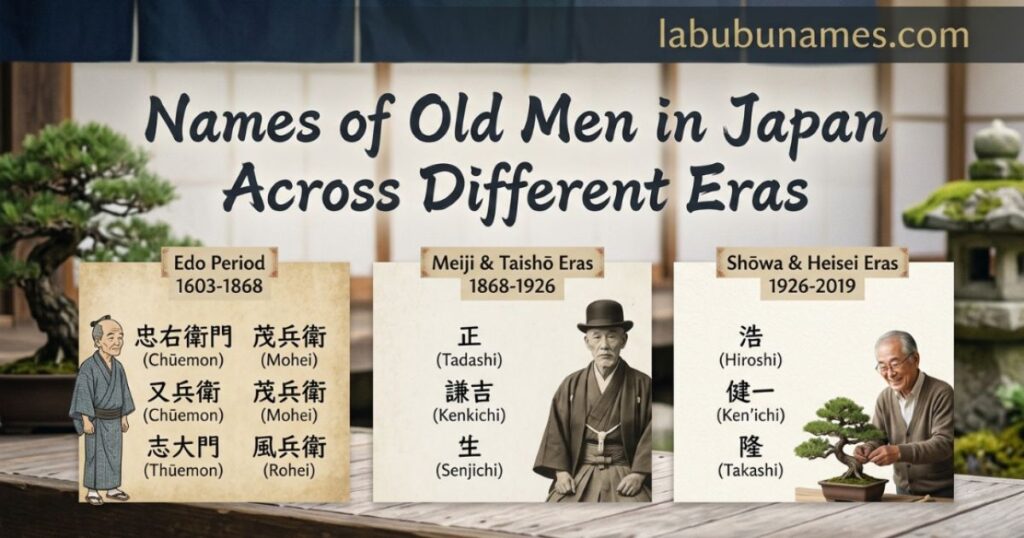
Japanese male names have evolved significantly across eras—from classical Heian-period elegance to strong Samurai-era naming traditions and modern simplified styles. Elder male names often preserve historical roots, reflecting changes in culture, politics, and language over centuries.
- Chikamune
• Meaning: Close lineage
• Pronunciation: Chi-ka-mu-ne
• Kanji: 親宗 - Munetaka
• Meaning: Religious nobility
• Pronunciation: Mu-ne-ta-ka
• Kanji: 宗隆 - Yoritsune
• Meaning: Loyal foundation
• Pronunciation: Yo-ri-tsu-ne
• Kanji: 頼経 - Masatsune
• Meaning: Correct stability
• Pronunciation: Ma-sa-tsu-ne
• Kanji: 正経 - Sadamitsu
• Meaning: Loyal brightness
• Pronunciation: Sa-da-mi-tsu
• Kanji: 貞光 - Tsunemasa
• Meaning: Constant correctness
• Pronunciation: Tsu-ne-ma-sa
• Kanji: 経正 - Yukitsuna
• Meaning: Lucky bond
• Pronunciation: Yu-ki-tsu-na
• Kanji: 行綱 - Moritsune
• Meaning: Protector lineage
• Pronunciation: Mo-ri-tsu-ne
• Kanji: 盛経 - Kiyotsuna
• Meaning: Pure bond
• Pronunciation: Ki-yo-tsu-na
• Kanji: 清綱 - Taketsune
• Meaning: Brave foundation
• Pronunciation: Ta-ke-tsu-ne
• Kanji: 武経 - Noritsune
• Meaning: Lawful lineage
• Pronunciation: No-ri-tsu-ne
• Kanji: 則経 - Masatsugu
• Meaning: Correct succession
• Pronunciation: Ma-sa-tsu-gu
• Kanji: 正次 - Tsuneyoshi
• Meaning: Constant righteousness
• Pronunciation: Tsu-ne-yo-shi
• Kanji: 経義 - Yoshitsuna
• Meaning: Righteous bond
• Pronunciation: Yo-shi-tsu-na
• Kanji: 義綱 - Sadatsune
• Meaning: Loyal continuity
• Pronunciation: Sa-da-tsu-ne
• Kanji: 貞経 - Mitsunori
• Meaning: Bright law
• Pronunciation: Mi-tsu-no-ri
• Kanji: 光則 - Tsunemoto
• Meaning: Stable origin
• Pronunciation: Tsu-ne-mo-to
• Kanji: 経元 - Morimasa
• Meaning: Prosperous correctness
• Pronunciation: Mo-ri-ma-sa
• Kanji: 盛正 - Masatsura
• Meaning: Correct discipline
• Pronunciation: Ma-sa-tsu-ra
• Kanji: 正綱 - Yukimori
• Meaning: Lucky protection
• Pronunciation: Yu-ki-mo-ri
• Kanji: 行盛 - Norimori
• Meaning: Lawful protection
• Pronunciation: No-ri-mo-ri
• Kanji: 則盛 - Tsunetada
• Meaning: Constant loyalty
• Pronunciation: Tsu-ne-ta-da
• Kanji: 経忠 - Sadamasa
• Meaning: Loyal correctness
• Pronunciation: Sa-da-ma-sa
• Kanji: 貞正 - Masanori (era style)
• Meaning: Correct law
• Pronunciation: Ma-sa-no-ri
• Kanji: 正則 - Yoshimune
• Meaning: Righteous origin
• Pronunciation: Yo-shi-mu-ne
• Kanji: 義宗 - Takamune
• Meaning: Noble origin
• Pronunciation: Ta-ka-mu-ne
• Kanji: 隆宗 - Kiyomune
• Meaning: Pure lineage
• Pronunciation: Ki-yo-mu-ne
• Kanji: 清宗 - Norimune
• Meaning: Lawful origin
• Pronunciation: No-ri-mu-ne
• Kanji: 則宗 - Tsunemune
• Meaning: Constant origin
• Pronunciation: Tsu-ne-mu-ne
• Kanji: 経宗 - Masamune
• Meaning: Correct origin
• Pronunciation: Ma-sa-mu-ne
• Kanji: 正宗
Rare Japanese Old Man Names You Don’t Hear Much Today
Some traditional Japanese male names were once familiar among older generations but are much less common today. These names can be a good choice if you are looking for something that feels genuinely vintage, traditional, and distinctly Japanese.
20 Rare and Old-Fashioned Japanese Male Names
- Kichirō (吉郎) – A classic traditional male name.
- Tamekichi (為吉) – An old-fashioned name associated with earlier generations.
- Kamezō (亀三) – A distinctly vintage Japanese male name.
- Heisaku (平作) – A traditional name with an old-generation feel.
- Denjirō (伝次郎) – A classic name often associated with older Japanese generations.
- Genzō (源三) – A traditional male name with a historical character.
- Kumajirō (熊次郎) – An uncommon vintage-style Japanese name.
- Kanzō (勘三) – A short, old-fashioned Japanese male name.
- Torizō (寅三) – A traditional name with a distinctly older-generation sound.
- Sakuzō (作三) – A classic Japanese name rarely heard among younger generations.
- Ryōkichi (良吉) – A traditional name combining the ideas of goodness and fortune.
- Shōkichi (正吉) – A vintage male name associated with correctness and good fortune.
- Kōtarō (幸太郎) – A classic Japanese name that has remained recognizable over generations.
- Eizō (栄三) – A traditional name with an old-fashioned character.
- Kōzō (幸三) – A vintage-style name meaning or suggesting happiness and prosperity.
- Tatsuzō (辰三) – A traditional male name with an unmistakably old-generation feel.
- Yoshizō (義三) – A classic Japanese name associated with traditional values.
- Shigeo (茂夫) – A well-known older-generation Japanese male name.
- Toshio (敏夫) – A classic name strongly associated with earlier generations.
- Isamu (勇) – A traditional Japanese male name associated with courage.
Rare Japanese Old Man Names You Don’t Hear Much Today
Some traditional Japanese male names were once familiar among older generations but are much less common today. These names can be a good choice if you are looking for something that feels genuinely vintage, traditional, and distinctly Japanese.
20 Rare and Old-Fashioned Japanese Male Names
- Kichirō (吉郎) – A classic traditional male name.
- Tamekichi (為吉) – An old-fashioned name associated with earlier generations.
- Kamezō (亀三) – A distinctly vintage Japanese male name.
- Heisaku (平作) – A traditional name with an old-generation feel.
- Denjirō (伝次郎) – A classic name often associated with older Japanese generations.
- Genzō (源三) – A traditional male name with a historical character.
- Kumajirō (熊次郎) – An uncommon vintage-style Japanese name.
- Kanzō (勘三) – A short, old-fashioned Japanese male name.
- Torizō (寅三) – A traditional name with a distinctly older-generation sound.
- Sakuzō (作三) – A classic Japanese name rarely heard among younger generations.
- Ryōkichi (良吉) – A traditional name combining the ideas of goodness and fortune.
- Shōkichi (正吉) – A vintage male name associated with correctness and good fortune.
- Kōtarō (幸太郎) – A classic Japanese name that has remained recognizable over generations.
- Eizō (栄三) – A traditional name with an old-fashioned character.
- Kōzō (幸三) – A vintage-style name meaning or suggesting happiness and prosperity.
- Tatsuzō (辰三) – A traditional male name with an unmistakably old-generation feel.
- Yoshizō (義三) – A classic Japanese name associated with traditional values.
- Shigeo (茂夫) – A well-known older-generation Japanese male name.
- Toshio (敏夫) – A classic name strongly associated with earlier generations.
- Isamu (勇) – A traditional Japanese male name associated with courage.
Rare Japanese Old Man Names You Don’t Hear Much Today
Some traditional Japanese male names were once familiar among older generations but are much less common today. These names can be a good choice if you are looking for something that feels genuinely vintage, traditional, and distinctly Japanese.
20 Rare and Old-Fashioned Japanese Male Names
- Kichirō (吉郎) – A classic traditional male name.
- Tamekichi (為吉) – An old-fashioned name associated with earlier generations.
- Kamezō (亀三) – A distinctly vintage Japanese male name.
- Heisaku (平作) – A traditional name with an old-generation feel.
- Denjirō (伝次郎) – A classic name often associated with older Japanese generations.
- Genzō (源三) – A traditional male name with a historical character.
- Kumajirō (熊次郎) – An uncommon vintage-style Japanese name.
- Kanzō (勘三) – A short, old-fashioned Japanese male name.
- Torizō (寅三) – A traditional name with a distinctly older-generation sound.
- Sakuzō (作三) – A classic Japanese name rarely heard among younger generations.
- Ryōkichi (良吉) – A traditional name combining the ideas of goodness and fortune.
- Shōkichi (正吉) – A vintage male name associated with correctness and good fortune.
- Kōtarō (幸太郎) – A classic Japanese name that has remained recognizable over generations.
- Eizō (栄三) – A traditional name with an old-fashioned character.
- Kōzō (幸三) – A vintage-style name meaning or suggesting happiness and prosperity.
- Tatsuzō (辰三) – A traditional male name with an unmistakably old-generation feel.
- Yoshizō (義三) – A classic Japanese name associated with traditional values.
- Shigeo (茂夫) – A well-known older-generation Japanese male name.
- Toshio (敏夫) – A classic name strongly associated with earlier generations.
- Isamu (勇) – A traditional Japanese male name associated with courage.
Why Do Some Japanese Male Names Sound Old-Fashioned?
Japanese naming trends change over time. A name that was popular for men born several decades ago may sound traditional or old-fashioned to younger Japanese people today. Kanji choices, naming customs, and popular culture all influence which names remain common and which gradually become associated with older generations.
If you are choosing a Japanese name for a character, story, pet, username, or historical setting, an older-generation name can help create a stronger sense of time and personality.
20 Rare and Old-Fashioned Japanese Male Names
- Kichirō (吉郎) – A classic traditional male name.
- Tamekichi (為吉) – An old-fashioned name associated with earlier generations.
- Kamezō (亀三) – A distinctly vintage Japanese male name.
- Heisaku (平作) – A traditional name with an old-generation feel.
- Denjirō (伝次郎) – A classic name often associated with older Japanese generations.
- Genzō (源三) – A traditional male name with a historical character.
- Kumajirō (熊次郎) – An uncommon vintage-style Japanese name.
- Kanzō (勘三) – A short, old-fashioned Japanese male name.
- Torizō (寅三) – A traditional name with a distinctly older-generation sound.
- Sakuzō (作三) – A classic Japanese name rarely heard among younger generations.
- Ryōkichi (良吉) – A traditional name combining the ideas of goodness and fortune.
- Shōkichi (正吉) – A vintage male name associated with correctness and good fortune.
- Kōtarō (幸太郎) – A classic Japanese name that has remained recognizable over generations.
- Eizō (栄三) – A traditional name with an old-fashioned character.
- Kōzō (幸三) – A vintage-style name meaning or suggesting happiness and prosperity.
- Tatsuzō (辰三) – A traditional male name with an unmistakably old-generation feel.
- Yoshizō (義三) – A classic Japanese name associated with traditional values.
- Shigeo (茂夫) – A well-known older-generation Japanese male name.
- Toshio (敏夫) – A classic name strongly associated with earlier generations.
- Isamu (勇) – A traditional Japanese male name associated with courage.
Why Do Some Japanese Male Names Sound Old-Fashioned?
Japanese naming trends change over time. A name that was popular for men born several decades ago may sound traditional or old-fashioned to younger Japanese people today. Kanji choices, naming customs, and popular culture all influence which names remain common and which gradually become associated with older generations.
If you are choosing a Japanese name for a character, story, pet, username, or historical setting, an older-generation name can help create a stronger sense of time and personality.
FAQ’s
What influenced traditional male naming styles in Japan?
Traditional culture, religion, and history shaped naming, and names of old men in Japan reflect deep family heritage values.
Are these names still used in modern society?
Some names of old men are still used today, especially in traditional families and rural communities.
How did literature and poetry shape male names in Japan?
Literature influenced the names of old men in Japan, often symbolizing wisdom, honor, and emotional depth in characters’ portrayals.
Do these traditional names carry social meaning?
Yes, names of old men in Japan often indicate social status, respect level, and historical family background identity.
Were naming styles different across historical eras?
Yes, names of old men changed across eras, reflecting political shifts, culture, and regional traditions’ evolution.
Are nature-based elements common in these names?
Many names of old men in Japan include natural elements like rivers, mountains, and seasons for symbolic meaning.
Why are these names important culturally?
They preserve heritage, and names of old men in Japan connect generations through meaning, history, and cultural identity.
Conclusion
Names of old men in Japan are deeply linked with history, culture, and respect. These names often reflect strength, wisdom, and tradition. Over time, they have also influenced modern naming styles. Today, people still explore names of old men in Japan when studying culture and language.
In modern usage, many Japanese boy names are inspired by older naming styles. These names of Old Men in Japan are simple, meaningful, and often connected to nature or virtues. At the same time, Japanese male names continue to evolve while keeping traditional roots alive. Many parents also choose Japanese names for boys that sound classic but modern.
Old naming traditions also appear in male Japanese names, especially in historical records and family lines. Even today, Japanese first names male are influenced by those older styles, showing respect for heritage and identity.