






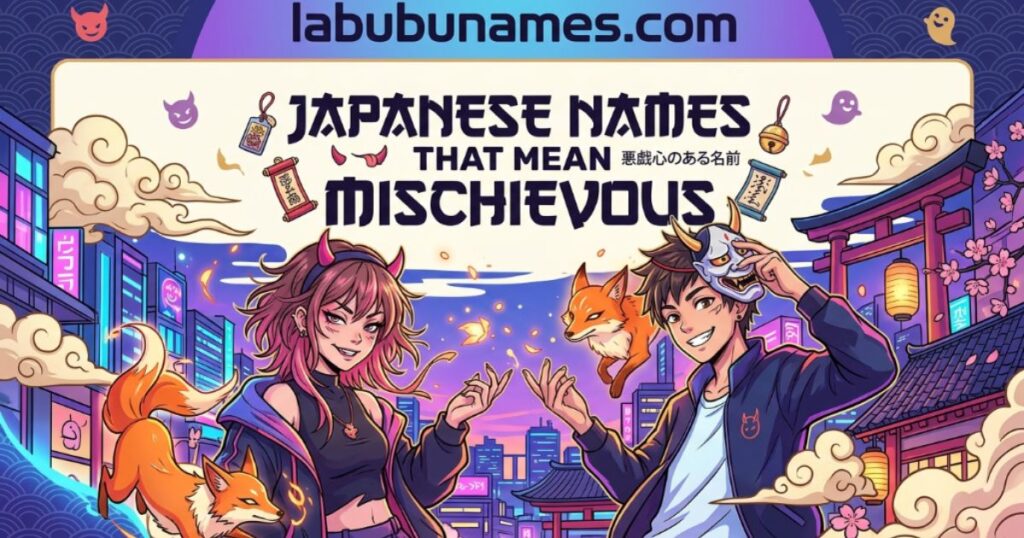
Finding the right Japanese names that mean mischievous can make a character feel lively and memorable. These names can suggest a playful, cheeky, or clever personality. If you need Japanese names that mean mischievous, you’ll find plenty of ideas for boys, girls, and fictional characters.
Some Japanese names that mean mischievous can also fit darker characters. You may like dark Japanese names, Japanese names meaning dark, or Japanese dark names for a mysterious personality. These choices can add depth to an anime character, fantasy character, or story.
Whether you want cute or bold Japanese names that mean mischievous, the meaning matters. You might also consider Japanese names that mean death or Japanese names meaning death for a darker theme. From playful tricksters to sly rogues, the right name can bring your character to life.
What Do Japanese Names That Mean Mischievous Signify?
Japanese names that mean mischievous often carry a playful, cheeky, or slightly rebellious feeling rather than simply describing someone as badly behaved. In Japanese naming, kanji can add deeper symbolism to a name. For example, 魔 can relate to a demon, magic, or temptation, giving a name a darker and more mischievous edge.
These names can suit fictional characters, pets, gaming characters, or anyone looking for a distinctive Japanese-inspired name with a playful personality. Some names may suggest a troublemaker, while others combine mischievous imagery with positive ideas such as laughter, intelligence, strength, or beauty.
Japanese Names That Mean Mischievous for Boys
Here are 30 Japanese names that can work well for boys with a mischievous, playful, or rebellious personality:
- Ema (笑魔) — Combines “laughter” or “smile” with “demon,” giving it a playful, mischievous feel.
- Gunma (軍魔) — Combines “military” or “battle” with “demon,” creating a fierce character.
- Hakuma (珀魔) — Pairs “amber” or “gem” with “demon” for a striking contrast.
- Kyuuma (球魔) — Combines “ball” or “sphere” with “demon,” giving the name an unusual playful edge.
- Masaki (魔咲) — Uses “demon” with “to bloom” or “smile,” creating a mischievous yet cheerful impression.
- Masaru (魔猿) — Combines “demon” with “monkey,” making it especially suitable for a cheeky character.
- Masaru (魔申) — Pairs “demon” with a kanji associated with a monkey or stating something.
- Masato (魔慧) — Combines “demon” with “intelligence” or Buddhist wisdom.
- Shoma (笑魔) — Combines “laugh” or “smile” with “demon” for a fun, mischievous personality.
- Touma (斗魔) — Combines “dipper” or “constellation” with “demon,” giving it a mysterious feel.
- Masaru (魔佐留) — Combines “demon” with kanji associated with assistance and staying or keeping.
- Masaru (魔沙流) — Pairs “demon” with “sand” and “flow,” creating a distinctive fantasy-like name.
- Masaru (魔沙留) — Combines “demon,” “sand,” and “to stay,” giving the name an unusual character.
- Masato (魔裟斗) — Combines “demon” with kanji associated with a monk’s robe and constellation or measure.
- Maiya (魔惟夜) — Combines “demon,” “thought,” and “night” for a dark and mysterious impression.
- Akuma (悪魔) — Uses kanji associated with evil and demon, creating a strongly mischievous image.
- Jaki (邪鬼) — Combines the ideas of something wicked or harmful with a demon or ogre.
- Kijin (鬼神) — Combines “demon/ogre” with “god or divine spirit,” creating a powerful supernatural feel.
- Makai (魔界) — Refers to a demonic or magical realm and works well for fantasy characters.
- Masho (魔性) — Suggests a magical, demonic, or tempting nature.
- Makai (魔怪) — Combines “demon” with something strange or monstrous.
- Majin (魔人) — Means a demonic or magical person and has a strong fantasy character feel.
- Mamono (魔物) — Refers to a demon, monster, or supernatural creature.
- Onibi (鬼火) — Means “demon fire” or ghostly fire, giving the name a mysterious mischievous quality.
- Oni (鬼) — Means demon, ogre, or supernatural creature in Japanese folklore.
- Raiki (雷鬼) — Combines “thunder” with “demon,” creating a bold and energetic character name.
- Shiki (鬼) — Uses the kanji for demon or ogre and gives a short, powerful impression.
- Yasha (夜叉) — Refers to a supernatural being in Buddhist and Asian mythology.
- Kishin (鬼神) — Combines “demon” or “ogre” with “divine spirit,” giving it a fierce supernatural tone.
- Mao (魔王) — Means “demon king” or “demonic ruler,” making it ideal for a powerful mischievous character.
Japanese Names That Mean Mischievous for Girls
Japanese names that mean mischievous for girls can give a character a playful, cheeky, or slightly rebellious personality. Some combinations use kanji connected with demons, magic, temptation, laughter, or night. These names can work especially well for fictional characters who are clever, unpredictable, and full of playful energy.
- Ema (笑魔) — Combines “smile” or “laughter” with “demon,” creating a playful and cheeky impression.
- Shoma (笑魔) — Combines “smile” with “demon” for a lively personality.
- Maiya (魔惟夜) — Combines “demon,” “thought,” and “night” for a mysterious feel.
- Maya (魔夜) — Combines “demon” and “night,” giving the name a dark, playful edge.
- Mana (魔奈) — Uses “demon” with a phonetic kanji for a distinctive name.
- Maki (魔希) — Combines “demon” with “hope,” creating an interesting contrast.
- Mika (魔花) — Pairs “demon” with “flower” for a cute but rebellious feel.
- Mina (魔奈) — A soft-sounding name with a darker kanji combination.
- Miyu (魔優) — Combines a mischievous element with a kanji associated with gentleness.
- Mio (魔緒) — Pairs “demon” with “thread” or “connection.”
- Maho (魔穂) — Combines “demon” with “grain” for an unusual contrast.
- Mami (魔美) — Pairs “demon” with “beauty,” creating a striking combination.
- Mao (魔央) — Combines “demon” with “center” for a short, memorable name.
- Maki (魔樹) — Pairs “demon” with “tree” for a nature-inspired feel.
- Misa (魔沙) — Combines “demon” with “sand” for a fantasy-inspired name.
- Miyu (魔夢) — Pairs “demon” with “dream” for a mysterious impression.
- Mei (魔恵) — Combines “demon” with “blessing” for an unusual contrast.
- Mika (魔香) — Pairs “demon” with “fragrance,” creating an elegant yet rebellious feel.
- Mina (魔奈美) — Combines a mischievous element with a feminine sound.
- Miri (魔莉) — Uses “demon” with a kanji associated with jasmine or phonetic naming.
- Momo (魔桃) — Combines “demon” with “peach” for a cute, cheeky personality.
- Miyako (魔夜子) — Combines “demon,” “night,” and “child” for a mysterious feel.
- Mayu (魔優) — Blends a mischievous element with gentleness.
- Mari (魔莉) — A feminine-sounding choice with a darker kanji element.
- Maho (魔帆) — Combines “demon” with “sail” for an adventurous personality.
- Miki (魔希) — Pairs “demon” with “hope” for a bold contrast.
- Misa (魔美) — Combines “demon” with “beauty” for a striking name.
- Mika (魔光) — Pairs “demon” with “light,” creating a contrasting meaning.
- Miyu (魔夢) — Combines “demon” and “dream” for a fantasy-inspired character.
- Mao (魔音) — Pairs “demon” with “sound” for a mysterious and creative feel.
Japanese Names That Mean Mischievous for Gender-Neutral Use
Japanese names that mean mischievous for gender-neutral use can suit characters of any gender who have a playful, clever, or unpredictable personality. Kanji associated with demons, supernatural beings, magic, laughter, and mystery can create a bold identity without making the name strongly masculine or feminine. These choices are useful for stories, games, usernames, and fantasy characters.
- Ema (笑魔) — Combines laughter or smiling with “demon,” giving it a playful edge.
- Shoma (笑魔) — Combines “smile” and “demon” for a lively personality.
- Touma (斗魔) — Pairs “dipper” or “constellation” with “demon.”
- Masaki (魔咲) — Combines “demon” with blooming or smiling.
- Masaru (魔猿) — Pairs “demon” with “monkey,” making it especially cheeky.
- Masaru (魔申) — Combines “demon” with a kanji connected to monkeys or stating.
- Masato (魔慧) — Pairs “demon” with intelligence and wisdom.
- Kyuuma (球魔) — Combines “sphere” or “ball” with “demon.”
- Hakuma (珀魔) — Pairs “amber” or “gem” with “demon.”
- Gunma (軍魔) — Combines “military” or “battle” with “demon.”
- Mao (魔央) — Pairs “demon” with “center.”
- Maya (魔夜) — Combines “demon” and “night” for a mysterious feel.
- Maki (魔希) — Pairs “demon” with “hope.”
- Mika (魔光) — Combines “demon” with “light” for a striking contrast.
- Mio (魔緒) — Pairs “demon” with “connection” or “thread.”
- Mina (魔奈) — A short name with a mischievous kanji element.
- Miyu (魔夢) — Combines “demon” with “dream.”
- Maho (魔穂) — Pairs “demon” with “grain.”
- Misa (魔沙) — Combines “demon” with “sand.”
- Maiya (魔惟夜) — Combines “demon,” “thought,” and “night.”
- Mao (魔音) — Pairs “demon” with “sound.”
- Jaki (邪鬼) — Combines wickedness with a demon or ogre.
- Kijin (鬼神) — Pairs “demon” or “ogre” with “divine spirit.”
- Kishin (鬼神) — Gives a strong supernatural and mischievous impression.
- Oni (鬼) — Refers to a demon or ogre in Japanese folklore.
- Yasha (夜叉) — Refers to a supernatural being in Buddhist mythology.
- Makai (魔界) — Refers to a demonic or magical realm.
- Majin (魔人) — Refers to a magical or demonic person.
- Mao (魔王) — Means “demon king” or “demonic ruler,” giving it a powerful fantasy feel.
Cute Japanese Names That Mean Mischievous
Cute Japanese names that mean mischievous can give a character a playful, cheeky, and lovable personality. These names work well when you want something that feels sweet on the surface but still has a little rebellious or magical charm. They’re especially fitting for characters, pets, usernames, and stories with a fun personality.
- Ema (笑魔) — Combines “smile” or “laughter” with “demon” for a cute but cheeky feel.
- Momo (魔桃) — Pairs “demon” with “peach,” creating a sweet and mischievous image.
- Mika (魔花) — Combines “demon” with “flower” for a charming contrast.
- Mao (魔央) — Pairs “demon” with “center” in a short, memorable name.
- Maya (魔夜) — Combines “demon” and “night” for a cute yet mysterious personality.
- Mami (魔美) — Pairs “demon” with “beauty,” giving it a playful contrast.
- Miyu (魔優) — Combines a mischievous element with gentleness.
- Mei (魔恵) — Pairs “demon” with “blessing” for an unexpected combination.
- Miki (魔希) — Combines “demon” and “hope” for a bright but rebellious feel.
- Misa (魔美) — Pairs “demon” with “beauty” for a striking name.
- Mio (魔緒) — Combines “demon” with “thread” or “connection.”
- Maho (魔帆) — Pairs “demon” with “sail” for an adventurous personality.
- Maiya (魔惟夜) — Combines “demon,” “thought,” and “night” for a charming mysterious feel.
- Shoma (笑魔) — Combines “smile” and “demon” for a playful personality.
- Mao (魔音) — Pairs “demon” with “sound” for a creative and unusual name.
- Miyu (魔夢) — Combines “demon” and “dream” for a fantasy-like impression.
- Mina (魔奈) — Uses a soft-sounding name with a darker kanji element.
- Miri (魔莉) — Pairs “demon” with a kanji associated with jasmine or phonetic naming.
- Maki (魔希) — Combines “demon” with “hope” for a cute contrast.
- Mika (魔香) — Pairs “demon” with “fragrance” for an elegant mischievous feel.
- Maho (魔穂) — Combines “demon” with “grain” for an unusual contrast.
- Mina (魔奈美) — Blends a mischievous element with a soft feminine sound.
- Mayu (魔優) — Combines a mischievous element with gentleness.
- Mari (魔莉) — Gives a sweet-sounding name a darker twist.
- Maya (魔夜) — Combines “demon” and “night” for a cute mysterious character.
- Mao (魔光) — Pairs “demon” with “light” for a playful contrast.
- Momo (笑魔) — Uses “laughter” and “demon” to create a cheerful mischievous feel.
- Mika (魔光) — Combines “demon” with “light” for a bright but rebellious personality.
- Maho (魔夢) — Pairs “demon” with “dream” for a cute fantasy-inspired name.
- Miyako (魔夜子) — Combines “demon,” “night,” and “child” for a mysterious yet charming feel.
Unique Japanese Names That Mean Mischievous
Unique Japanese names that mean mischievous stand out because they combine unusual kanji and supernatural imagery. Many options can suggest demons, magic, temptation, strange creatures, or playful rebellion. They’re a strong choice if you want a name that feels distinctive rather than ordinary.
- Gunma (軍魔) — Combines “army” or “military” with “demon” for a powerful impression.
- Hakuma (珀魔) — Pairs “amber” or “gem” with “demon” for an unusual contrast.
- Kyuuma (球魔) — Combines “ball” or “sphere” with “demon.”
- Masaki (魔咲) — Pairs “demon” with “to bloom” or “smile.”
- Masaru (魔猿) — Combines “demon” with “monkey” for a particularly mischievous feel.
- Masaru (魔申) — Pairs “demon” with a kanji connected to monkeys or stating.
- Masato (魔慧) — Combines “demon” with intelligence and Buddhist wisdom.
- Touma (斗魔) — Pairs “dipper” or “constellation” with “demon.”
- Maiya (魔惟夜) — Combines “demon,” “thought,” and “night.”
- Masaru (魔佐留) — Combines “demon” with ideas of assistance and staying.
- Masaru (魔沙流) — Pairs “demon,” “sand,” and “flow.”
- Masaru (魔沙留) — Combines “demon,” “sand,” and “to stay.”
- Masato (魔裟斗) — Pairs “demon” with kanji associated with a monk’s robe and constellation.
- Jaki (邪鬼) — Combines wickedness with “demon” or “ogre.”
- Kijin (鬼神) — Pairs “demon” or “ogre” with “divine spirit.”
- Kishin (鬼神) — Gives a powerful supernatural impression.
- Yasha (夜叉) — Refers to a supernatural being in Buddhist mythology.
- Oni (鬼) — Refers to a demon or ogre in Japanese folklore.
- Makai (魔界) — Refers to a demonic or magical realm.
- Majin (魔人) — Refers to a magical or demonic person.
- Mamono (魔物) — Refers to a demon, monster, or supernatural creature.
- Onibi (鬼火) — Means “demon fire” or ghostly fire.
- Masho (魔性) — Suggests a magical, demonic, or tempting nature.
- Makai (魔怪) — Combines “demon” with something strange or monstrous.
- Mao (魔王) — Means “demon king” or “demonic ruler.”
- Raiki (雷鬼) — Combines “thunder” with “demon” for a bold name.
- Shiki (鬼) — Uses the kanji associated with a demon or ogre.
- Akuma (悪魔) — Combines the ideas of evil and demon for a darker mischievous feel.
- Ema (笑魔) — Combines “laughter” with “demon” for a distinctive playful contrast.
- Syouma (笑魔) — Another reading of the laughter-and-demon combination, giving it a unique character-name quality.
Cool Japanese Names That Mean Mischievous
Cool Japanese names that mean mischievous often have a darker, stronger, or more mysterious edge. They can combine ideas such as demons, magic, supernatural beings, laughter, and temptation to create names that feel bold and memorable. These options are great for characters who are clever, rebellious, unpredictable, or always ready for trouble.
- Masaru (魔猿) — Combines “demon” with “monkey,” giving it a clever and mischievous feel.
- Masato (魔慧) — Pairs “demon” with intelligence or wisdom.
- Touma (斗魔) — Combines “dipper” or “constellation” with “demon.”
- Hakuma (珀魔) — Pairs “amber” or “gem” with “demon.”
- Kyuuma (球魔) — Combines “sphere” or “ball” with “demon.”
- Gunma (軍魔) — Pairs “army” or “battle” with “demon.”
- Masaki (魔咲) — Combines “demon” with blooming or smiling.
- Jaki (邪鬼) — Combines a wicked or harmful idea with “demon” or “ogre.”
- Kijin (鬼神) — Pairs “demon” or “ogre” with “divine spirit.”
- Kishin (鬼神) — Creates a strong supernatural impression.
- Yasha (夜叉) — Refers to a supernatural being in Buddhist mythology.
- Makai (魔界) — Refers to a magical or demonic realm.
- Majin (魔人) — Refers to a magical or demonic person.
- Mamono (魔物) — Refers to a demon, monster, or supernatural creature.
- Onibi (鬼火) — Means “demon fire” or ghostly fire.
- Oni (鬼) — Refers to a demon or ogre in Japanese folklore.
- Masho (魔性) — Suggests a magical, demonic, or tempting nature.
- Makai (魔怪) — Combines “demon” with something strange or monstrous.
- Mao (魔王) — Means “demon king” or “demonic ruler.”
- Raiki (雷鬼) — Combines “thunder” with “demon” for an energetic feel.
- Shiki (鬼) — Uses the kanji associated with a demon or ogre.
- Akuma (悪魔) — Combines ideas of evil and demon for a darker edge.
- Ema (笑魔) — Combines laughter or smiling with “demon.”
- Shoma (笑魔) — Pairs “smile” with “demon” for a playful coolness.
- Maiya (魔惟夜) — Combines “demon,” “thought,” and “night.”
- Masaru (魔申) — Pairs “demon” with a kanji associated with monkeys or stating.
- Masaru (魔沙流) — Combines “demon,” “sand,” and “flow.”
- Masaru (魔沙留) — Pairs “demon,” “sand,” and “to stay.”
- Masato (魔裟斗) — Combines “demon” with kanji associated with a monk’s robe and constellation.
- Mao (魔音) — Pairs “demon” with “sound” for a mysterious, creative feel.
Japanese Names That Mean Mischievous for Anime Characters
Japanese names that mean mischievous can be especially effective for anime characters with playful, cunning, or supernatural personalities. Names built around kanji such as 魔 and 鬼 can give a character a darker identity, while combinations involving laughter, dreams, night, or magic can create a more playful personality. These names fit tricksters, rivals, antiheroes, magical characters, and lovable troublemakers.
- Masaru (魔猿) — “Demon” and “monkey” make this a strong choice for a cheeky anime character.
- Masaki (魔咲) — Combines “demon” with blooming or smiling for a contrasting personality.
- Masato (魔慧) — Pairs a demonic element with intelligence and wisdom.
- Touma (斗魔) — Combines constellation imagery with a demonic element.
- Hakuma (珀魔) — Pairs a gem-like image with “demon.”
- Kyuuma (球魔) — Combines “sphere” with “demon” for an unusual character name.
- Gunma (軍魔) — Gives an anime character a battle-ready and mischievous edge.
- Shoma (笑魔) — Combines “laughter” with “demon” for a playful troublemaker.
- Ema (笑魔) — Suggests a character who smiles while causing chaos.
- Maiya (魔惟夜) — Combines “demon,” “thought,” and “night” for a mysterious character.
- Jaki (邪鬼) — Fits a wicked, mischievous, or supernatural character.
- Kijin (鬼神) — Gives the character a powerful supernatural identity.
- Kishin (鬼神) — Works well for a fierce supernatural anime character.
- Yasha (夜叉) — A strong choice for a character inspired by supernatural mythology.
- Oni (鬼) — A short, bold name associated with demons and ogres.
- Makai (魔界) — Perfect for a character connected to a magical or demonic world.
- Majin (魔人) — Works well for a magical or demonic character.
- Mamono (魔物) — Fits a monster-like or supernatural anime character.
- Onibi (鬼火) — “Demon fire” creates a mysterious supernatural image.
- Masho (魔性) — Suggests a character with an alluring, magical, or demonic nature.
- Mao (魔王) — “Demon king” gives an anime villain or powerful rival feel.
- Raiki (雷鬼) — Combines thunder and demon imagery for an energetic character.
- Shiki (鬼) — Short and striking, with a supernatural edge.
- Akuma (悪魔) — Creates a distinctly dark demon-inspired character identity.
- Masaru (魔申) — Combines “demon” with a monkey-related kanji for a clever trickster.
- Masaru (魔佐留) — Uses “demon” with kanji associated with helping and staying.
- Masaru (魔沙流) — Combines “demon,” “sand,” and “flow” for a fantasy feel.
- Masaru (魔沙留) — Pairs “demon,” “sand,” and “to stay” for a distinctive name.
- Masato (魔裟斗) — Combines “demon” with monk-robe and constellation imagery.
- Mao (魔音) — “Demon” and “sound” create a mysterious name for a supernatural anime character.
Japanese Names That Mean Mischievous for Fictional Characters
Japanese names that mean mischievous can give fictional characters a playful, cunning, or unpredictable personality. Names connected with demons, magic, laughter, night, and supernatural beings can work especially well for fantasy stories, manga-inspired characters, games, and original fiction. Here are 30 options for characters who like causing trouble while still standing out.
- Ema (笑魔) — Combines “laughter” or “smile” with “demon” for a playful troublemaker.
- Shoma (笑魔) — Pairs “smile” with “demon” for a cheerful but mischievous character.
- Masaki (魔咲) — Combines “demon” with “to bloom” or “smile.”
- Masaru (魔猿) — Pairs “demon” with “monkey,” making it perfect for a cheeky character.
- Masato (魔慧) — Combines “demon” with intelligence or Buddhist wisdom.
- Touma (斗魔) — Pairs “dipper” or “constellation” with “demon.”
- Hakuma (珀魔) — Combines “amber” or “gem” with “demon.”
- Kyuuma (球魔) — Pairs “sphere” or “ball” with “demon.”
- Gunma (軍魔) — Combines “army” or “battle” with “demon.”
- Maiya (魔惟夜) — Combines “demon,” “thought,” and “night.”
- Jaki (邪鬼) — Combines a wicked idea with “demon” or “ogre.”
- Kijin (鬼神) — Pairs “demon” or “ogre” with “divine spirit.”
- Kishin (鬼神) — Creates a powerful supernatural character identity.
- Yasha (夜叉) — Refers to a supernatural being from Buddhist mythology.
- Oni (鬼) — Refers to a demon or ogre in Japanese folklore.
- Makai (魔界) — Refers to a magical or demonic realm.
- Majin (魔人) — Refers to a magical or demonic person.
- Mamono (魔物) — Refers to a demon, monster, or supernatural creature.
- Onibi (鬼火) — Means “demon fire” or ghostly fire.
- Masho (魔性) — Suggests a magical, demonic, or tempting nature.
- Mao (魔王) — Means “demon king” or “demonic ruler.”
- Raiki (雷鬼) — Combines “thunder” with “demon” for an energetic character.
- Shiki (鬼) — Uses the kanji associated with a demon or ogre.
- Akuma (悪魔) — Combines the ideas of evil and demon for a darker character.
- Masaru (魔申) — Pairs “demon” with a kanji associated with monkeys or stating.
- Masaru (魔沙流) — Combines “demon,” “sand,” and “flow.”
- Masaru (魔沙留) — Pairs “demon,” “sand,” and “to stay.”
- Masato (魔裟斗) — Combines “demon” with kanji associated with a monk’s robe and constellation.
- Mao (魔音) — Pairs “demon” with “sound” for a mysterious character.
- Miyako (魔夜子) — Combines “demon,” “night,” and “child” for a mysterious fictional character.
Japanese Names That Mean Mischievous for Villains
Japanese names that mean mischievous can give villains a dark, cunning, and supernatural presence. Names involving demons, evil spirits, magic, and darkness can make an antagonist feel more memorable, while combinations with intelligence or temptation can suggest a villain who wins through manipulation rather than brute strength. These 30 choices can fit anime villains, fantasy antagonists, game bosses, and mysterious enemies.
- Akuma (悪魔) — Combines the ideas of evil and demon for an unmistakably dark villain.
- Mao (魔王) — Means “demon king” or “demonic ruler,” making it ideal for a powerful antagonist.
- Majin (魔人) — Refers to a magical or demonic person with a supernatural edge.
- Mamono (魔物) — Refers to a demon, monster, or supernatural creature.
- Makai (魔界) — Refers to a demonic or magical realm.
- Masho (魔性) — Suggests a magical, demonic, or tempting nature.
- Jaki (邪鬼) — Combines wickedness with a demon or ogre.
- Kijin (鬼神) — Pairs “demon” or “ogre” with “divine spirit.”
- Kishin (鬼神) — Gives a villain a fierce supernatural identity.
- Oni (鬼) — A short, intimidating name connected with demons and ogres.
- Yasha (夜叉) — Refers to a supernatural being in Buddhist mythology.
- Onibi (鬼火) — Means “demon fire,” creating an eerie villainous image.
- Shiki (鬼) — Uses the kanji associated with a demon or ogre.
- Makai (魔怪) — Combines “demon” with something strange or monstrous.
- Masaru (魔猿) — Pairs “demon” with “monkey” for a cunning trickster villain.
- Masato (魔慧) — Combines “demon” with intelligence or wisdom, fitting a calculating villain.
- Masaki (魔咲) — Pairs “demon” with blooming or smiling for an unsettling contrast.
- Touma (斗魔) — Combines constellation imagery with a demonic element.
- Gunma (軍魔) — Pairs battle or military imagery with “demon.”
- Hakuma (珀魔) — Combines the beauty of amber with a demonic element.
- Kyuuma (球魔) — Pairs “sphere” or “ball” with “demon.”
- Maiya (魔惟夜) — Combines “demon,” “thought,” and “night” for a mysterious antagonist.
- Masaru (魔申) — Combines “demon” with a monkey-related or stating kanji.
- Masaru (魔佐留) — Pairs “demon” with ideas of assisting and staying.
- Masaru (魔沙流) — Combines “demon,” “sand,” and “flow” for a fantasy villain.
- Masaru (魔沙留) — Pairs “demon,” “sand,” and “to stay.”
- Masato (魔裟斗) — Combines “demon” with monk-robe and constellation imagery.
- Mao (魔音) — Pairs “demon” with “sound” for an eerie and unusual villain name.
- Ema (笑魔) — Combines laughter with “demon,” fitting a villain who hides danger behind a smile.
- Shoma (笑魔) — Pairs “smile” with “demon,” making it suitable for a charming but deceptive antagonist.
Japanese Names That Mean Mischievous for Playful Characters
Japanese names that mean mischievous can be a great fit for playful characters who love jokes, harmless trouble, and unexpected surprises. Names that combine ideas such as laughter, smiles, demons, magic, and night can create a fun personality with a slightly cheeky edge. These 30 choices work well for fictional characters, pets, games, and creative projects.
- Ema (笑魔) — Combines “laughter” or “smile” with “demon” for a cheerful troublemaker.
- Shoma (笑魔) — Pairs “smile” with “demon” for a playful personality.
- Masaru (魔猿) — Combines “demon” with “monkey,” making it ideal for a cheeky character.
- Masaki (魔咲) — Pairs “demon” with blooming or smiling for a fun contrast.
- Momo (魔桃) — Combines “demon” with “peach” for a cute and playful image.
- Mika (魔花) — Pairs “demon” with “flower” for a charming contrast.
- Mao (魔央) — Combines “demon” with “center” in a short, memorable name.
- Miyu (魔夢) — Pairs “demon” with “dream” for a whimsical character.
- Maya (魔夜) — Combines “demon” and “night” for a playful mysterious feel.
- Mami (魔美) — Pairs “demon” with “beauty” for an unexpected combination.
- Miki (魔希) — Combines “demon” with “hope” for a bright but mischievous personality.
- Misa (魔沙) — Pairs “demon” with “sand” for a fantasy-inspired character.
- Maho (魔帆) — Combines “demon” with “sail” for an adventurous personality.
- Mio (魔緒) — Pairs “demon” with “thread” or “connection.”
- Mao (魔音) — Combines “demon” with “sound” for a creative and playful feel.
- Maiya (魔惟夜) — Pairs “demon,” “thought,” and “night.”
- Mina (魔奈) — Uses a soft sound with a darker kanji element.
- Miri (魔莉) — Pairs “demon” with a kanji associated with jasmine or phonetic naming.
- Mayu (魔優) — Combines a mischievous element with gentleness.
- Mari (魔莉) — Gives a sweet-sounding name a playful darker twist.
- Maho (魔穂) — Pairs “demon” with “grain” for an unusual contrast.
- Mei (魔恵) — Combines “demon” with “blessing” for a playful contradiction.
- Mika (魔香) — Pairs “demon” with “fragrance” for an elegant mischievous feel.
- Mao (魔光) — Combines “demon” with “light” for a bright contrast.
- Miyako (魔夜子) — Pairs “demon,” “night,” and “child” for a charming mysterious character.
- Touma (斗魔) — Combines “dipper” or “constellation” with “demon.”
- Hakuma (珀魔) — Pairs “amber” or “gem” with “demon.”
- Kyuuma (球魔) — Combines “sphere” or “ball” with “demon.”
- Gunma (軍魔) — Pairs “army” or “battle” with “demon.”
- Masaru (魔申) — Combines “demon” with a kanji associated with monkeys or stating.
Japanese Names That Mean Mischievous and Clever
Japanese names that mean mischievous and clever can suit characters who rely on quick thinking, humor, and clever tricks to get their way. Combining mischievous imagery with kanji associated with intelligence, wisdom, or supernatural power can create a memorable identity. These 30 names are useful for smart tricksters, witty heroes, playful rivals, and cunning fictional characters.
- Masato (魔慧) — Combines “demon” with “intelligent” or Buddhist wisdom, making it ideal for a clever trickster.
- Masaru (魔猿) — Pairs “demon” with “monkey,” suggesting a clever and mischievous personality.
- Masaki (魔咲) — Combines “demon” with blooming or smiling for a clever character with charm.
- Ema (笑魔) — Pairs laughter with “demon,” fitting a character who hides clever schemes behind humor.
- Shoma (笑魔) — Combines “smile” and “demon” for a witty, playful personality.
- Touma (斗魔) — Pairs constellation imagery with “demon” for a mysterious clever character.
- Maiya (魔惟夜) — Combines “demon,” “thought,” and “night,” suggesting a calculating personality.
- Jaki (邪鬼) — Combines wickedness with a demon or ogre for a cunning character.
- Kijin (鬼神) — Pairs “demon” or “ogre” with “divine spirit” for a powerful strategist.
- Kishin (鬼神) — Creates a strong supernatural identity for an intelligent antagonist or rival.
- Yasha (夜叉) — Refers to a supernatural being and works well for a mysterious trickster.
- Masho (魔性) — Suggests a magical, demonic, or tempting nature.
- Majin (魔人) — Refers to a magical or demonic person with strong fantasy appeal.
- Makai (魔界) — Refers to a magical or demonic realm and suits a character tied to supernatural powers.
- Mao (魔王) — Means “demon king” or “demonic ruler,” fitting a clever mastermind.
- Akuma (悪魔) — Combines evil and demon imagery for a cunning dark character.
- Onibi (鬼火) — Means “demon fire,” suggesting a mysterious and unpredictable personality.
- Oni (鬼) — Refers to a demon or ogre and works for a clever supernatural character.
- Shiki (鬼) — Uses the kanji associated with a demon or ogre for a short, striking name.
- Mamono (魔物) — Refers to a demon, monster, or supernatural creature.
- Makai (魔怪) — Combines “demon” with something strange or monstrous.
- Masaru (魔申) — Pairs “demon” with a monkey-related or stating kanji.
- Masaru (魔沙流) — Combines “demon,” “sand,” and “flow” for an elusive character.
- Masaru (魔沙留) — Pairs “demon,” “sand,” and “to stay” for an unusual identity.
- Masaru (魔佐留) — Combines “demon” with ideas of assisting and staying.
- Masato (魔裟斗) — Pairs “demon” with monk-robe and constellation imagery.
- Mao (魔音) — Combines “demon” with “sound” for a mysterious and clever character.
- Hakuma (珀魔) — Pairs “amber” or “gem” with “demon” for an intelligent fantasy character.
- Kyuuma (球魔) — Combines “sphere” with “demon” for an unusual trickster name.
- Gunma (軍魔) — Pairs battle imagery with “demon” for a tactical and clever character.
- Miyako (魔夜子) — Combines “demon,” “night,” and “child” for a mysterious, clever personality.
Japanese Names That Mean Mischievous and Rebellious
Japanese names that mean mischievous and rebellious can suit characters who refuse to follow the rules, challenge authority, or enjoy causing harmless trouble. Kanji connected with demons, supernatural beings, battle, night, and magic can give these names a bold and defiant personality. Here are 30 choices for rebellious heroes, clever troublemakers, and independent fictional characters.
- Masaru (魔猿) — Combines “demon” with “monkey,” creating a cheeky and rebellious personality.
- Masaki (魔咲) — Pairs “demon” with blooming or smiling for a bold contrast.
- Masato (魔慧) — Combines “demon” with intelligence or wisdom.
- Touma (斗魔) — Pairs constellation imagery with “demon” for a mysterious rebel.
- Gunma (軍魔) — Combines military or battle imagery with “demon.”
- Hakuma (珀魔) — Pairs “amber” or “gem” with “demon.”
- Kyuuma (球魔) — Combines “sphere” or “ball” with “demon.”
- Shoma (笑魔) — Pairs laughter or smiling with “demon” for a playful rebel.
- Ema (笑魔) — Combines “laughter” with “demon” for a character who breaks rules with a smile.
- Maiya (魔惟夜) — Combines “demon,” “thought,” and “night” for a mysterious personality.
- Jaki (邪鬼) — Combines wickedness with “demon” or “ogre.”
- Kijin (鬼神) — Pairs “demon” or “ogre” with “divine spirit” for a powerful rebel.
- Kishin (鬼神) — Gives a character a fierce supernatural identity.
- Yasha (夜叉) — Refers to a supernatural being and suits an independent character.
- Oni (鬼) — Refers to a demon or ogre in Japanese folklore.
- Makai (魔界) — Refers to a magical or demonic realm.
- Majin (魔人) — Refers to a magical or demonic person.
- Mamono (魔物) — Refers to a demon, monster, or supernatural creature.
- Onibi (鬼火) — Means “demon fire,” giving it a wild and mysterious edge.
- Masho (魔性) — Suggests a magical, demonic, or tempting nature.
- Mao (魔王) — Means “demon king” or “demonic ruler.”
- Raiki (雷鬼) — Combines “thunder” with “demon” for an energetic rebel.
- Shiki (鬼) — Uses the kanji associated with a demon or ogre.
- Akuma (悪魔) — Combines the ideas of evil and demon for a strongly rebellious character.
- Masaru (魔申) — Pairs “demon” with a monkey-related or stating kanji.
- Masaru (魔沙流) — Combines “demon,” “sand,” and “flow.”
- Masaru (魔沙留) — Pairs “demon,” “sand,” and “to stay.”
- Masato (魔裟斗) — Combines “demon” with monk-robe and constellation imagery.
- Mao (魔音) — Pairs “demon” with “sound” for a mysterious, unconventional character.
- Miyako (魔夜子) — Combines “demon,” “night,” and “child” for a distinctive rebellious character.
Japanese Names That Mean Mischievous With Dark Meanings
Japanese names that mean mischievous with dark meanings can create an eerie, mysterious, or dangerous impression. Kanji associated with demons, evil, monsters, supernatural spirits, temptation, and darkness can make these names especially suitable for villains, antiheroes, fantasy characters, or characters with a hidden side. Here are 30 dark and mischievous choices.
- Akuma (悪魔) — Combines “evil” and “demon” for a distinctly dark meaning.
- Mao (魔王) — Means “demon king” or “demonic ruler,” giving it a powerful dark presence.
- Majin (魔人) — Refers to a magical or demonic person.
- Mamono (魔物) — Refers to a demon, monster, or supernatural creature.
- Makai (魔界) — Refers to a demonic or magical realm.
- Masho (魔性) — Suggests a magical, demonic, or tempting nature.
- Jaki (邪鬼) — Combines wickedness with a demon or ogre.
- Oni (鬼) — Refers to a demon or ogre in Japanese folklore.
- Kijin (鬼神) — Combines “demon” or “ogre” with “divine spirit.”
- Kishin (鬼神) — Creates a fierce supernatural impression.
- Yasha (夜叉) — Refers to a supernatural being in Buddhist mythology.
- Onibi (鬼火) — Means “demon fire” and creates an eerie image.
- Shiki (鬼) — Uses the kanji associated with a demon or ogre.
- Makai (魔怪) — Combines “demon” with something strange or monstrous.
- Masaru (魔猿) — Pairs “demon” with “monkey” for a cunning dark character.
- Masato (魔慧) — Combines “demon” with intelligence or wisdom, fitting a calculating character.
- Masaki (魔咲) — Pairs “demon” with blooming or smiling for an unsettling contrast.
- Touma (斗魔) — Combines constellation imagery with a demonic element.
- Gunma (軍魔) — Pairs battle imagery with “demon.”
- Hakuma (珀魔) — Combines the beauty of amber with a darker demonic element.
- Kyuuma (球魔) — Pairs “sphere” with “demon” for an unusual dark name.
- Maiya (魔惟夜) — Combines “demon,” “thought,” and “night.”
- Masaru (魔申) — Combines “demon” with a monkey-related or stating kanji.
- Masaru (魔佐留) — Pairs “demon” with ideas of assistance and staying.
- Masaru (魔沙流) — Combines “demon,” “sand,” and “flow.”
- Masaru (魔沙留) — Pairs “demon,” “sand,” and “to stay.”
- Masato (魔裟斗) — Combines “demon” with monk-robe and constellation imagery.
- Mao (魔音) — Pairs “demon” with “sound” for an eerie, unusual identity.
- Ema (笑魔) — Combines laughter with “demon,” creating a darkly playful contrast.
- Shoma (笑魔) — Pairs “smile” with “demon,” fitting a character whose friendly appearance hides a darker nature.
Japanese Names That Mean Mischievous Inspired by Nature
Japanese names that mean mischievous inspired by nature can give a character a playful personality while adding imagery from flowers, light, night, sand, stars, and other natural elements. These combinations create names that feel imaginative and distinctive. They’re especially useful for fictional characters who are curious, energetic, unpredictable, or always getting into harmless trouble.
- Ema (笑魔) — Combines “laughter” or “smile” with “demon” for a playful nature.
- Shoma (笑魔) — Pairs “smile” with “demon” for a cheerful troublemaker.
- Hakuma (珀魔) — Combines “amber” or “gem” with “demon” for a nature-inspired contrast.
- Kyuuma (球魔) — Pairs “sphere” or “ball” with “demon” for a playful feel.
- Masaki (魔咲) — Combines “demon” with “to bloom” or “smile.”
- Momo (魔桃) — Pairs “demon” with “peach” for a cute nature-inspired name.
- Mika (魔花) — Combines “demon” with “flower” for a charming contrast.
- Mao (魔光) — Pairs “demon” with “light” for a bright but mischievous feel.
- Mao (魔音) — Combines “demon” with “sound” for a creative character.
- Misa (魔沙) — Pairs “demon” with “sand” for a natural, fantasy-like image.
- Maho (魔穂) — Combines “demon” with “grain” for an unusual nature connection.
- Mika (魔香) — Pairs “demon” with “fragrance” for an elegant impression.
- Miyu (魔夢) — Combines “demon” with “dream” for a whimsical personality.
- Maya (魔夜) — Pairs “demon” with “night” for a mysterious nature-inspired feel.
- Maiya (魔惟夜) — Combines “demon,” “thought,” and “night.”
- Miyako (魔夜子) — Pairs “demon,” “night,” and “child” for a mysterious character.
- Maki (魔樹) — Combines “demon” with “tree” for a striking natural contrast.
- Mao (魔央) — Pairs “demon” with “center” in a short, memorable name.
- Touma (斗魔) — Combines “dipper” or “constellation” with “demon.”
- Gunma (軍魔) — Pairs battle imagery with “demon” for a wild character.
- Masaru (魔沙流) — Combines “demon,” “sand,” and “flow.”
- Masaru (魔沙留) — Pairs “demon,” “sand,” and “to stay.”
- Onibi (鬼火) — Means “demon fire,” creating a striking natural image.
- Raiki (雷鬼) — Combines “thunder” with “demon” for an energetic personality.
- Oni (鬼) — Refers to a demon or ogre and has strong folklore associations.
- Yasha (夜叉) — Refers to a supernatural being associated with traditional mythology.
- Makai (魔界) — Refers to a magical or demonic realm.
- Masho (魔性) — Suggests a magical, demonic, or tempting nature.
- Jaki (邪鬼) — Combines wickedness with a demon or ogre.
Japanese Names That Mean Mischievous With Powerful Meanings
Japanese names that mean mischievous with powerful meanings can give characters a bold, commanding, and unforgettable identity. Kanji associated with demons, battle, supernatural spirits, intelligence, magic, and strength can make a name feel especially intense. These choices work well for powerful heroes, antiheroes, villains, and characters who combine cleverness with a rebellious spirit.
- Mao (魔王) — Means “demon king” or “demonic ruler,” giving it a commanding presence.
- Akuma (悪魔) — Combines “evil” and “demon” for a dark and powerful meaning.
- Majin (魔人) — Refers to a magical or demonic person with strong fantasy appeal.
- Mamono (魔物) — Refers to a demon, monster, or supernatural creature.
- Makai (魔界) — Refers to a magical or demonic realm.
- Jaki (邪鬼) — Combines wickedness with “demon” or “ogre.”
- Kijin (鬼神) — Pairs “demon” or “ogre” with “divine spirit.”
- Kishin (鬼神) — Creates a fierce supernatural identity.
- Oni (鬼) — Refers to a demon or ogre in Japanese folklore.
- Yasha (夜叉) — Refers to a supernatural being in Buddhist mythology.
- Onibi (鬼火) — Means “demon fire,” creating a fierce and mysterious image.
- Masho (魔性) — Suggests a magical, demonic, or tempting nature.
- Shiki (鬼) — Uses the kanji associated with a demon or ogre.
- Masaru (魔猿) — Combines “demon” with “monkey” for a clever and powerful trickster.
- Masato (魔慧) — Pairs “demon” with intelligence or Buddhist wisdom.
- Masaki (魔咲) — Combines “demon” with blooming or smiling.
- Gunma (軍魔) — Pairs military or battle imagery with “demon.”
- Touma (斗魔) — Combines constellation imagery with a demonic element.
- Hakuma (珀魔) — Pairs “amber” or “gem” with “demon.”
- Kyuuma (球魔) — Combines “sphere” with “demon.”
- Maiya (魔惟夜) — Combines “demon,” “thought,” and “night.”
- Masaru (魔申) — Pairs “demon” with a kanji associated with monkeys or stating.
- Masaru (魔佐留) — Combines “demon” with ideas of assistance and staying.
- Masaru (魔沙流) — Pairs “demon,” “sand,” and “flow.”
- Masaru (魔沙留) — Combines “demon,” “sand,” and “to stay.”
- Masato (魔裟斗) — Pairs “demon” with monk-robe and constellation imagery.
- Raiki (雷鬼) — Combines “thunder” with “demon” for an energetic, forceful feel.
- Ema (笑魔) — Pairs laughter with “demon” for a powerful contrast between charm and danger.
- Shoma (笑魔) — Combines “smile” with “demon” for a character who can hide strength behind a playful personality.
- Miyako (魔夜子) — Combines “demon,” “night,” and “child” for a mysterious and commanding character.
Rare Japanese Names That Mean Mischievous
Rare Japanese names that mean mischievous can give a character a distinctive identity with an unusual, mysterious, or supernatural feel. Many of these combinations use kanji associated with demons, magic, night, laughter, and other intriguing ideas. They’re especially useful when you want a name that feels uncommon and memorable.
- Ema (笑魔) — Combines “laughter” or “smile” with “demon.”
- Gunma (軍魔) — Combines “army,” “military,” or “battle” with “demon.”
- Hakuma (珀魔) — Pairs “amber” or “gem” with “demon.”
- Kyuuma (球魔) — Combines “ball,” “sphere,” or “globe” with “demon.”
- Masaki (魔咲) — Pairs “demon” with “to bloom” or “to smile.”
- Masaru (魔猿) — Combines “demon” with “monkey” or “ape.”
- Masaru (魔申) — Pairs “demon” with a kanji associated with stating or monkey.
- Masato (魔慧) — Combines “demon” with intelligence or Buddhist wisdom.
- Syouma (笑魔) — Combines “laughter” or “smile” with “demon.”
- Touma (斗魔) — Pairs “dipper,” “measure,” or “constellation” with “demon.”
- Maiya (魔惟夜) — Combines “demon,” “thought,” and “night.”
- Masaru (魔佐留) — Pairs “demon” with ideas of assisting and staying.
- Masaru (魔沙流) — Combines “demon,” “sand,” and “flow.”
- Masaru (魔沙留) — Pairs “demon,” “sand,” and “to stay.”
- Masato (魔裟斗) — Combines “demon” with monk-robe and constellation imagery.
- Mao (魔音) — Pairs “demon” with “sound.”
- Mao (魔光) — Combines “demon” with “light.”
- Mika (魔花) — Pairs “demon” with “flower.”
- Momo (魔桃) — Combines “demon” with “peach.”
- Maki (魔樹) — Pairs “demon” with “tree.”
- Misa (魔沙) — Combines “demon” with “sand.”
- Maho (魔穂) — Pairs “demon” with “grain.”
- Miyu (魔夢) — Combines “demon” with “dream.”
- Maya (魔夜) — Pairs “demon” with “night.”
- Mami (魔美) — Combines “demon” with “beauty.”
- Miki (魔希) — Pairs “demon” with “hope.”
- Miyako (魔夜子) — Combines “demon,” “night,” and “child.”
- Mao (魔央) — Pairs “demon” with “center.”
- Mika (魔香) — Combines “demon” with “fragrance.”
- Mayu (魔優) — Pairs a demonic element with gentleness.
Short Japanese Names That Mean Mischievous
Short Japanese names that mean mischievous are easy to remember and can still carry a bold or playful personality. Compact names such as Ema, Mao, Oni, and Yasha can work well for fictional characters, pets, usernames, and fantasy settings. The following options focus on short names and concise kanji combinations associated with mischievous or supernatural meanings.
- Ema (笑魔) — Combines “smile” or “laughter” with “demon.”
- Mao (魔王) — Means “demon king” or “demonic ruler.”
- Mao (魔音) — Combines “demon” with “sound.”
- Mao (魔光) — Pairs “demon” with “light.”
- Mao (魔央) — Combines “demon” with “center.”
- Oni (鬼) — Refers to a demon or ogre in Japanese folklore.
- Yasha (夜叉) — Refers to a supernatural being in Buddhist mythology.
- Jaki (邪鬼) — Combines wickedness with “demon” or “ogre.”
- Makai (魔界) — Refers to a magical or demonic realm.
- Majin (魔人) — Refers to a magical or demonic person.
- Shiki (鬼) — Uses the kanji associated with a demon or ogre.
- Ema (笑魔) — Creates a playful contrast between laughter and a demon.
- Maya (魔夜) — Combines “demon” and “night.”
- Mika (魔花) — Pairs “demon” with “flower.”
- Miki (魔希) — Combines “demon” and “hope.”
- Misa (魔沙) — Pairs “demon” with “sand.”
- Momo (魔桃) — Combines “demon” and “peach.”
- Mio (魔緒) — Pairs “demon” with “thread” or “connection.”
- Maho (魔穂) — Combines “demon” and “grain.”
- Mika (魔香) — Pairs “demon” with “fragrance.”
- Mei (魔恵) — Combines “demon” with “blessing.”
- Mayu (魔優) — Pairs a mischievous element with gentleness.
- Miri (魔莉) — Combines “demon” with a kanji associated with jasmine or phonetic naming.
- Maki (魔希) — Pairs “demon” with “hope.”
- Maki (魔樹) — Combines “demon” with “tree.”
- Miyu (魔夢) — Pairs “demon” with “dream.”
- Masho (魔性) — Suggests a magical, demonic, or tempting nature.
- Akuma (悪魔) — Means “devil” or “demon,” giving it a dark mischievous feel.
- Masaki (魔咲) — Combines “demon” with blooming or smiling.
- Shoma (笑魔) — Pairs “smile” or “laughter” with “demon.”
How to Choose Japanese Names That Mean Mischievous
Choosing Japanese names that mean mischievous depends on the personality and style you want the name to express. Start by deciding whether you want a cute, playful, clever, rebellious, or darker meaning. Then look at the kanji carefully because different characters can change the meaning and feeling of a name. For fictional characters, you can also consider how the name sounds, how easy it is to remember, and whether its meaning matches the character’s role.
- Decide the personality first — Choose whether the character is playful, clever, rebellious, or troublemaking.
- Look for playful kanji — Kanji connected with laughter, smiles, or joy can create a lighter mischievous feeling.
- Consider darker kanji — Kanji such as 魔 can add a demonic, magical, or tempting element.
- Think about supernatural meanings — Names connected with demons, spirits, or monsters can create a stronger mischievous identity.
- Choose a cute meaning — Pairing mischievous imagery with flowers, dreams, light, or beauty can soften the name.
- Choose a powerful meaning — Demon, battle, thunder, or supernatural imagery can make the name feel stronger.
- Match the character’s role — A playful hero may need a different name from a villain or antihero.
- Check the kanji meaning — Don’t choose a name based only on how the Japanese pronunciation sounds.
- Consider the reading — Make sure the selected reading fits the kanji combination you’re using.
- Keep the name memorable — Short names are often easier for readers to remember.
- Think about pronunciation — Pick a name that readers can pronounce without too much difficulty.
- Use nature imagery — Night, light, flowers, trees, sand, and other natural ideas can create interesting contrasts.
- Add a clever element — Kanji associated with wisdom or intelligence can suit a mischievous trickster.
- Consider anime-style names — Dramatic kanji combinations can work especially well for fictional or fantasy characters.
- Think about gender — Decide whether the name should sound feminine, masculine, or gender-neutral.
- Match the setting — A modern story may need a different style from a historical or fantasy setting.
- Avoid forced meanings — Make sure the overall combination makes sense instead of simply combining unrelated kanji.
- Use contrast creatively — A sweet meaning combined with a darker element can create an intriguing character.
- Consider the character’s age — A cute mischievous name may suit a child, while a darker name may suit an older character.
- Think about the character’s behavior — A prankster might benefit from a name connected with laughter or playfulness.
- Choose a mysterious meaning — Night, dreams, magic, and supernatural imagery can suggest hidden intentions.
- Consider a rebellious personality — Strong or darker kanji can suit characters who dislike rules.
- Look for uniqueness — Unusual kanji combinations can make a fictional character stand out.
- Balance sound and meaning — A beautiful pronunciation is useful, but the kanji should also fit the intended personality.
- Consider cultural context — Some kanji have meanings or associations that may feel much darker than simply “mischievous.”
- Avoid assuming every Japanese name has one fixed meaning — Japanese names can have multiple possible kanji and interpretations.
- Check whether it’s a real given name — Some dramatic combinations work better as fictional names than everyday Japanese names.
- Use the name for the right purpose — Character names, usernames, pets, and real-life names may need different levels of naturalness.
- Compare several options — Write down a few names and choose the one that best matches the character.
- Pick the name that fits the story — The best choice is the one whose sound, kanji, and personality all work together.
FAQ’s
What Japanese name means playful?
Ema and Shoma can suggest a playful spirit. These Japanese names that mean mischievous also carry ideas of laughter and smiles.
What kanji represents a mischievous meaning?
The kanji 魔 is linked with demons, magic, and temptation. It appears in several Japanese names meaning mischievous.
Are these names suitable for fictional characters?
Yes, they work well for anime, fantasy, and game characters. Japanese names that mean mischievous can create memorable personalities.
Can a name have a dark meaning?
Yes, some names use kanji connected with demons or supernatural ideas. Japanese names meaning mischievous can therefore feel mysterious.
What name suits a clever troublemaker?
Masato can be a fitting choice because its kanji combination includes ideas of intelligence and demons. It suits clever characters.
Are mischievous names suitable for boys and girls?
Yes, depending on the kanji and reading. Japanese names that mean mischievous can be adapted for different characters and creative uses.
How do I choose the right name?
Match the meaning with the character’s personality, then check the kanji and pronunciation. Choose Japanese names that mean mischievous naturally.
Conclusion
Choosing Japanese names that mean mischievous can make a character feel fun, clever, and memorable. These names can suit playful heroes, anime characters, rebels, and tricksters. Japanese names that mean mischievous may also have soft or bold meanings. Some choices feel cute, while others sound mysterious and strong.
If you prefer a darker style, dark Japanese names can be a great choice. Japanese names meaning dark may create a mysterious mood. Likewise, Japanese dark names can fit characters with hidden secrets or unusual personalities. Japanese names that mean mischievous can also blend playful ideas with darker themes.
Before choosing, always check the kanji and its meaning. Japanese names that mean death and Japanese names meaning death can sound powerful, but they may feel much darker than playful names. Pick a name that matches your character’s nature and story. The right Japanese names that mean mischievous should sound natural and fit the personality.